
Blog
Arborist Services in Wellington: Practical Advice for Healthy, Safe Trees
Why professional tree care matters in Wellington
Wellington is a rewarding place to grow trees, but it can also be a demanding one. Strong winds, steep sections, coastal exposure, compact urban sites and older established gardens all influence how trees grow and how they should be managed. A tree that looks fine from the ground may be carrying hidden defects, while another that appears messy may simply need careful pruning rather than removal.
That is where professional arborist services in Wellington are valuable. An arborist looks at the whole tree - its structure, species, location, health, surrounding buildings and long-term potential. The aim is not only to deal with an immediate issue, but to make decisions that support safety, tree health and the practical use of your property.
For homeowners, landlords, body corporates and commercial property managers, timely tree care can prevent small concerns from becoming larger problems. It can also help protect the trees that give a property its shade, screening and street appeal.
When should you call an arborist?
Some tree problems are obvious, such as a large limb breaking after high winds. Others develop slowly and are easy to overlook. Calling an arborist early gives you more options, particularly if you want to preserve the tree.
It is worth arranging an assessment if you notice:
- Dead, cracked or hanging branches
- Fungal growth around the base or on the trunk
- A tree leaning more than it used to
- Branches touching roofs, gutters, fences or power lines
- Roots lifting paving or affecting access
- Storm damage, even if the tree is still standing
- Dense canopies blocking light or airflow
You may also want advice before renovating, landscaping or building near established trees. Construction activity can damage roots and compact soil, which may not show up as stress until months later. An arborist can help you plan around important trees and identify practical ways to reduce harm.
Common arborist services for Wellington properties
Every site is different, but most professional tree work falls into a few key areas. The right approach depends on the tree species, its age, its condition and what you need from the space around it.
Tree pruning and canopy management
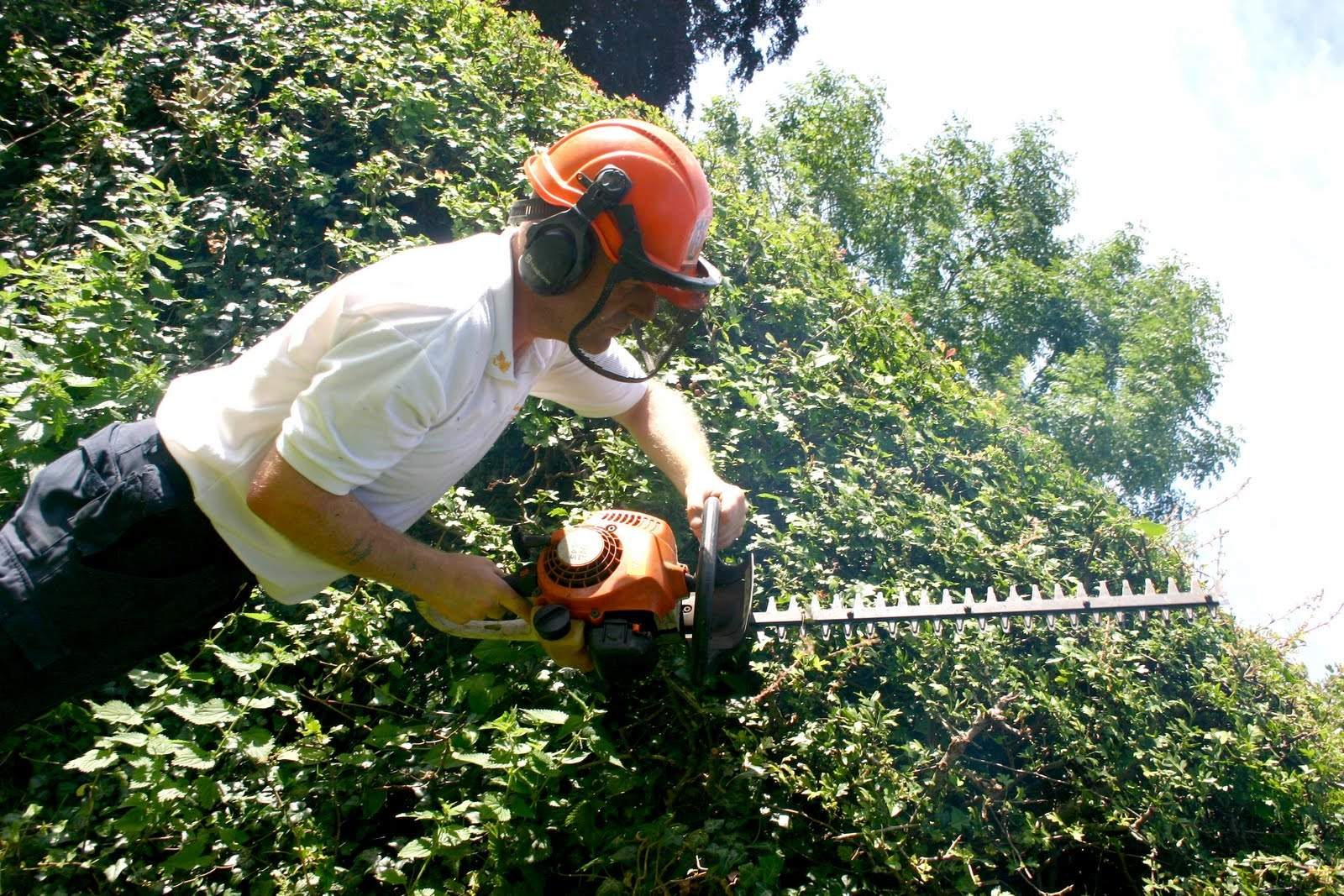
Good pruning is selective. It is not about cutting a tree back as hard as possible, but about removing the right growth in the right place. This may include deadwooding, lifting low branches, thinning a dense canopy, reducing weight on extended limbs or clearing branches away from structures.
In Wellington, pruning often needs to account for wind loading. Removing too much foliage can expose remaining branches to stress, while leaving a canopy too dense can create resistance in strong gusts. A skilled arborist balances these factors so the tree remains healthy and the property benefits from improved clearance, light or shape.
Tree removal where necessary
Tree removal is sometimes the safest or most practical option. A tree may be declining, structurally unsound, poorly positioned, storm damaged or unsuitable for its site. Removal can also be required when roots or branches are interfering with buildings, access or planned works.
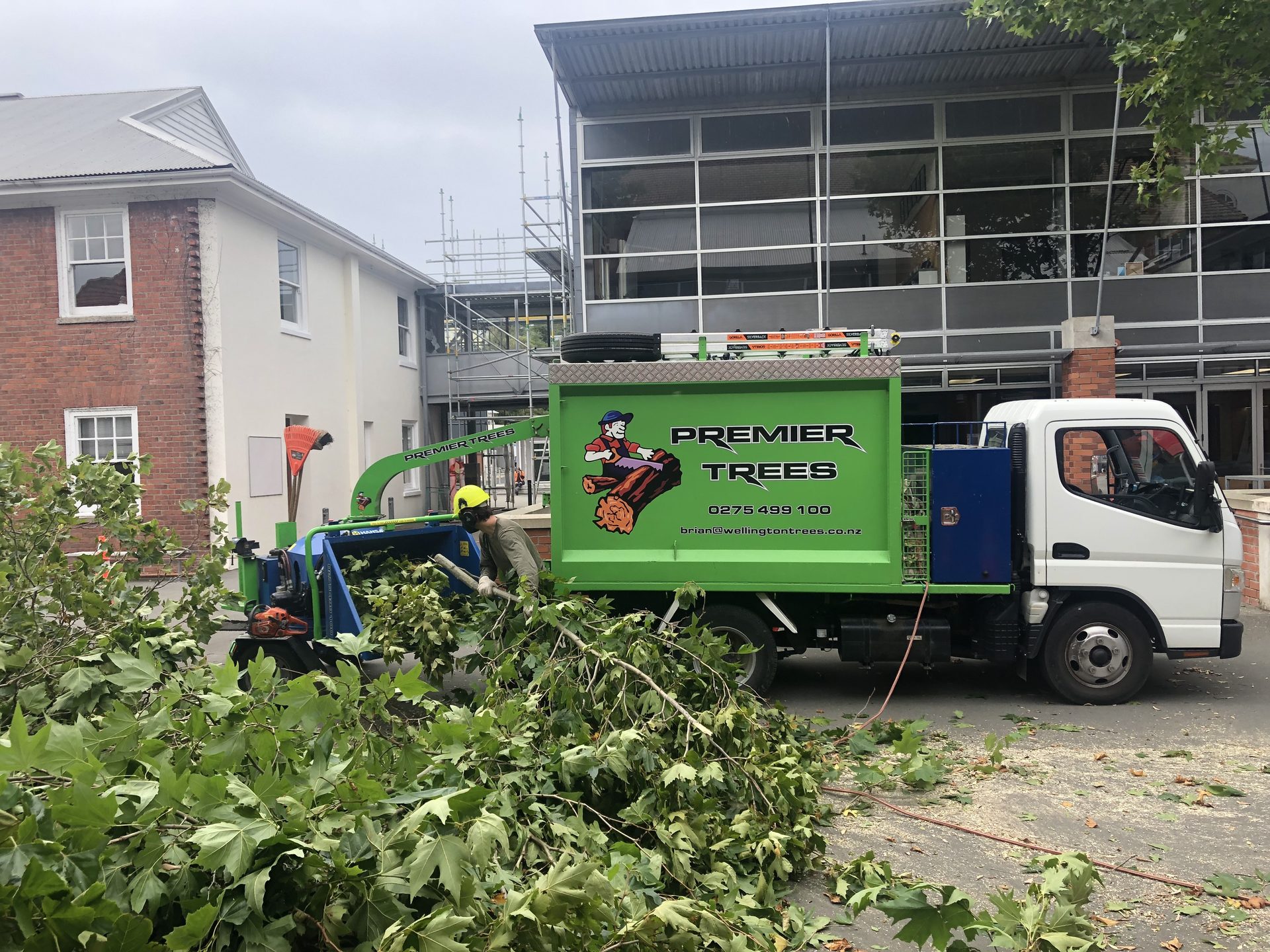
On many Wellington sections, removal is not straightforward. Sloping ground, tight access, nearby houses and shared boundaries can all affect the method used. Professional arborists use controlled techniques to dismantle trees safely and manage branches and timber in a way that suits the site.
Stump grinding and site tidy-up
After a tree is removed, the remaining stump can be a nuisance. It may limit replanting, create a trip hazard, attract decay or make lawn and garden maintenance harder. Stump grinding reduces the stump below ground level so the area can be tidied, replanted or incorporated back into the landscape.
The best depth and finish will depend on what you want to do next. If you plan to replant in the same area, it is worth discussing options before the work begins.
Tree health and risk assessments
Not every tree concern needs immediate cutting. Sometimes the most useful service is a clear assessment. An arborist can inspect symptoms such as dieback, cracks, cavities, pest activity or root disturbance and explain what they mean in plain language.
This is especially helpful for mature trees. Older trees can have significant value in a garden, but they also need thoughtful management. With the right advice, you may be able to retain a tree safely through targeted pruning, monitoring or changes to the surrounding area.
Safety should guide every tree job
Tree work can involve height, chainsaws, heavy timber, unstable limbs and changing weather. Even a branch that looks small can fall unpredictably or cause damage when cut incorrectly. For this reason, it is sensible to leave anything beyond basic ground-level trimming to trained professionals.
WorkSafe New Zealand provides useful information about the risks involved in tree work and safe practice expectations. You can read more in its tree work guidance. For property owners, the key takeaway is simple: choose people who take planning, equipment, communication and site control seriously.
Before work starts, a professional arborist should consider access, drop zones, nearby structures, pedestrians, vehicles and services. On residential sites, they should also think about neighbours, shared driveways, pets and children. Good preparation helps the job run more smoothly and reduces disruption.
How to choose the right arborist in Wellington
Choosing an arborist is not just about finding someone available. Tree work is skilled work, and the quality of advice matters. A good provider should be willing to look at the tree properly, explain your options and recommend an approach that suits your goals as well as the tree's condition.
When speaking with a tree care company, ask about the proposed method, what will happen to branches and debris, whether access is suitable and how surrounding areas will be protected. If you are unsure whether a tree should be pruned or removed, ask for the reasoning behind the recommendation. Clear communication is often a sign of careful workmanship.
Local knowledge is also important. Wellington suburbs can vary widely, from coastal gardens exposed to salt and wind through to sheltered valleys with damp soils. An arborist who understands local conditions can offer more practical advice about species performance, pruning timing and future maintenance.
Planning tree work around seasons and weather
Some tree work can be done at most times of the year, particularly when safety is involved. Other tasks may be better timed to reduce stress on the tree or to suit growth patterns. For example, pruning decisions can depend on the species, the presence of flowers or fruit, and how the tree responds to cuts.
Weather is another Wellington factor. Strong wind can affect climbing, rigging and debris control, so scheduling may need some flexibility. A responsible arborist will not rush work if conditions are unsuitable. This may be inconvenient in the short term, but it is usually the safer and more professional choice.
Looking after trees after arborist work
Once the job is complete, a little follow-up care can make a real difference. Keep an eye on how the tree responds over the following weeks and months. Watering may help newly planted or stressed trees during dry periods, while mulch can improve soil moisture and protect roots when used correctly.
Avoid piling mulch against the trunk, changing soil levels around roots or parking heavy vehicles under the canopy. These small details matter, particularly for mature trees. If the arborist has recommended monitoring, make a note to check the tree after major storms or at the next seasonal change.
Talk to Premier Trees about your Wellington tree care needs
Whether you need careful pruning, advice on a declining tree, storm damage assistance, stump grinding or a planned removal, Premier Trees can help you make a practical decision for your property. Professional arborist services in Wellington are about more than cutting branches - they are about understanding trees, managing risk and helping outdoor spaces work well.
If you have a tree that concerns you, or you are planning garden or property work around established trees, get in touch with Premier Trees to discuss the best next step.
Related reading: how Premier Trees meets NZ arboriculture standards.
Reach out to Premier Trees today for a free, no-obligation quote.
Why risk your own safety when professional help is just a call away?
Free quotes
Contact us
Tell us roughly how tall the tree is, where it stands, what is underneath it and whether the job is urgent.
0275 499 100- Karori, Wellington
- brian@wellingtontrees.co.nz