Crown Reductions
Crown Reductions Wellington
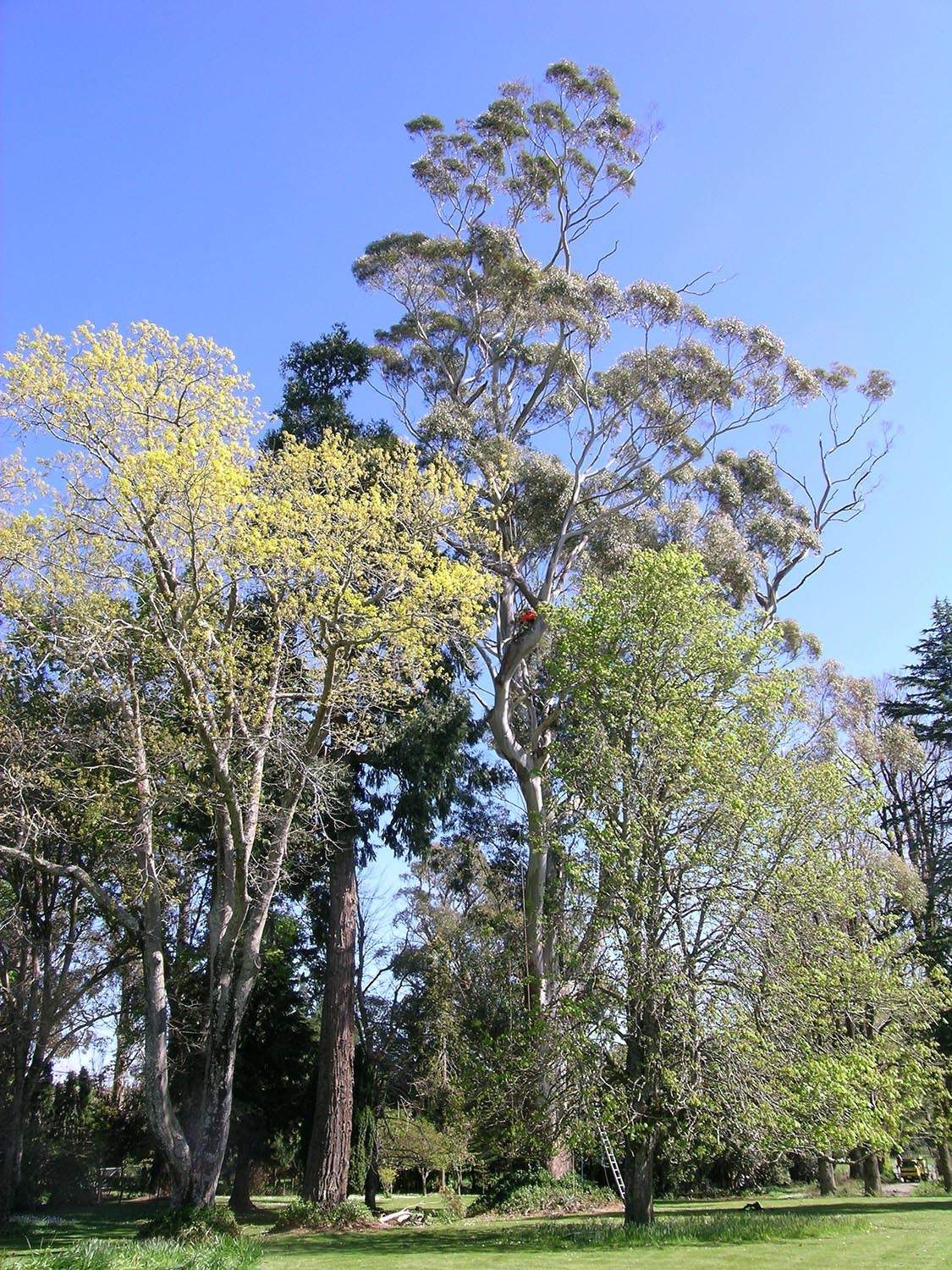
Crown reductions are an essential aspect of tree management, especially in urban landscapes like Wellington. This procedure involves reducing the height or spread of a tree by pruning back the leaders and branch terminals to lateral branches. As a result, the tree maintains a natural appearance but at a smaller scale. Our Wellington arborists at Premier Tree Surgeons are highly skilled in performing crown reductions, preserving the health and beauty of your trees while prioritizing safety.
High-Quality Crown Reductions: Safeguarding Wellington's Urban Landscape
The Importance of Crown Reductions
Crown reductions are vital for various reasons. They help maintain the structural integrity of a tree, making it more wind-resistant and reducing the risk of storm damage. Crown reductions also help balance a tree's size with its surroundings, especially in residential areas where overgrown trees may pose a threat to properties or power lines. Furthermore, crown reductions improve light penetration to the ground, which can benefit the growth of other plants in your garden. By availing our crown reductions services, you contribute to a safer, healthier, and more aesthetically pleasing environment.
At Premier Tree Surgeons, we adhere to the highest standards set by the New Zealand Qualifications Authority (NZQA) in performing crown reductions. Our team uses modern tools and follows stringent safety protocols. We make judicious cuts, ensuring we never remove more than necessary, as this can stress the tree and make it susceptible to diseases. Each tree is treated with respect, and its long-term health is our primary concern. Our approach to crown reductions combines industry best practices with an understanding of the specific needs of the local environment.
Expert Crown Reduction Services
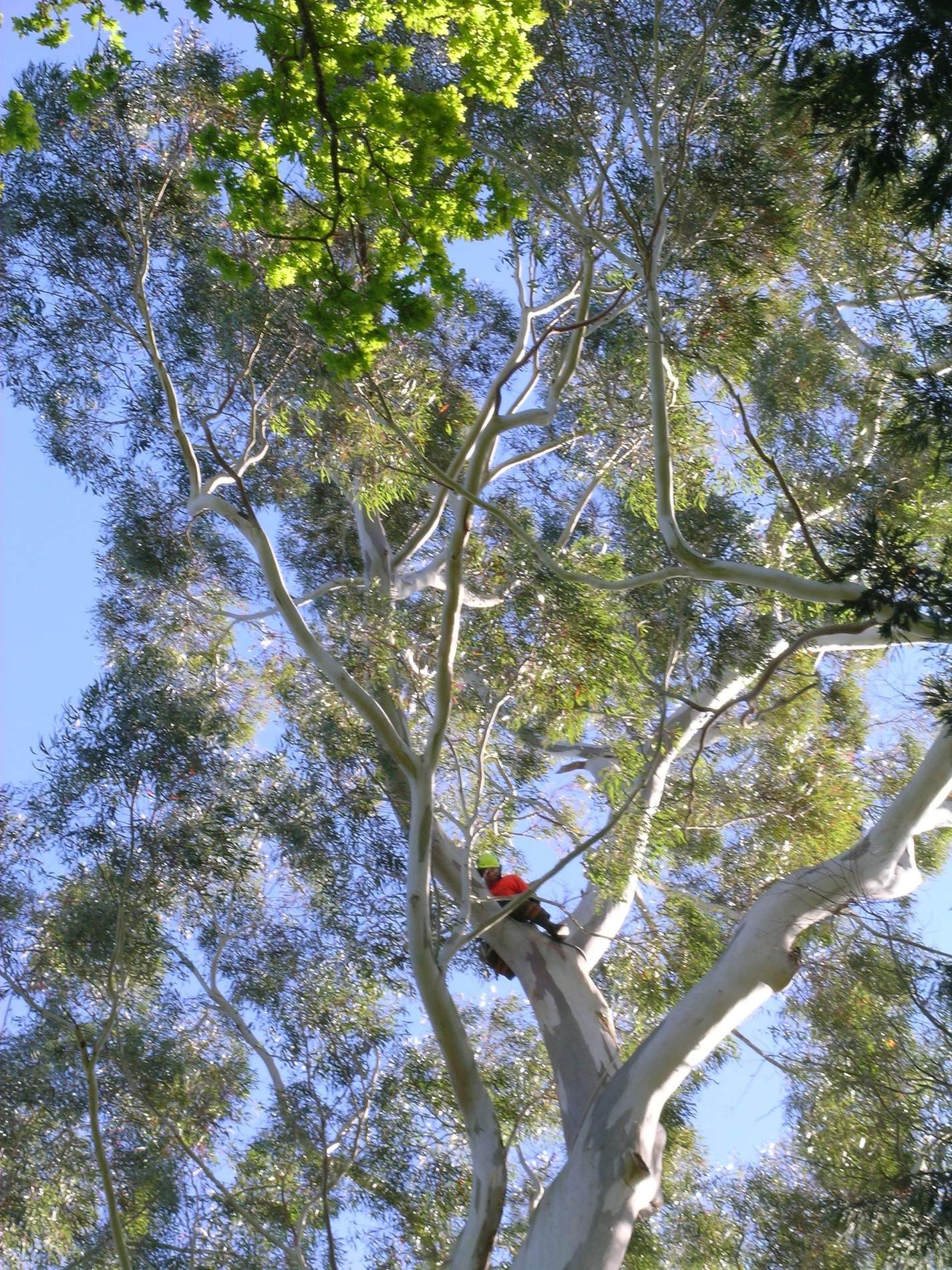
When it comes to crown reductions in Wellington, Premier Tree Surgeons is the trusted choice. Our certified arborists have a deep understanding of the intricacies of tree biology, ensuring we provide services that keep your trees healthy and your surroundings safe. Our extensive experience, combined with our commitment to customer satisfaction, sets us apart. We provide transparent communication, affordable pricing, and reliable services. With Premier Tree Surgeons, you can rest assured knowing your trees are in capable and caring hands. Let us assist you with your crown reduction needs and demonstrate why we're the preferred tree service provider in Wellington.
Related reading: when and how to get trees pruned properly, and the top reasons to prune your trees.
A Practical Guide to Crown Reduction in Wellington
What crown reduction is
Crown reduction is a specialist pruning method that reduces the overall height or spread of a tree's canopy. Rather than cutting branches back at random, the arborist shortens selected limbs to suitable lateral growth points. The aim is a smaller, more balanced crown that keeps the tree's natural shape and its long-term health.
It is not the same as topping. Topping removes large sections of the upper canopy with no regard for branch structure, leaves stubs, and encourages weak regrowth. Crown reduction is selective. Height or spread comes down in a controlled way, with every cut made where the tree has the best chance to respond well.
When crown reduction may be the right option
Not every large tree needs to be reduced. Often a light crown clean, thinning, or targeted branch removal is enough. Crown reduction is the right approach when a tree is healthy enough to keep but is becoming too large for its surroundings. Wellington property owners usually ask about it when:
- branches are extending too close to a roof, guttering, chimney, deck or neighbouring property
- the canopy is blocking too much light from living areas, gardens or outdoor spaces
- the tree has become top heavy or overly exposed in a windy location
- there is concern about end weight on long, extended limbs, or imbalance after storm damage
- they want to keep the tree but reduce its impact on the site.
A professional assessment is the best starting point. Species, age, health, structure and location all influence how much reduction is appropriate. Some trees tolerate pruning better than others, and over-reducing a canopy can stress the tree or lead to poor regrowth.
Why Wellington trees need careful pruning
Strong northerlies and southerlies put constant pressure on long branches and exposed canopies. Salt-laden air in the coastal suburbs affects foliage and growth habit. Many homes sit on slopes where access is difficult and trees lean or grow towards the available light.
Because of this, a reduction has to be planned with both safety and tree health in mind. Removing too much foliage reduces the tree's ability to produce energy. Cutting limbs in the wrong place creates decay points or dense, weak shoots. The best results come from measured, selective pruning, sometimes staged over more than one visit for older or sensitive trees.
What happens during a crown reduction
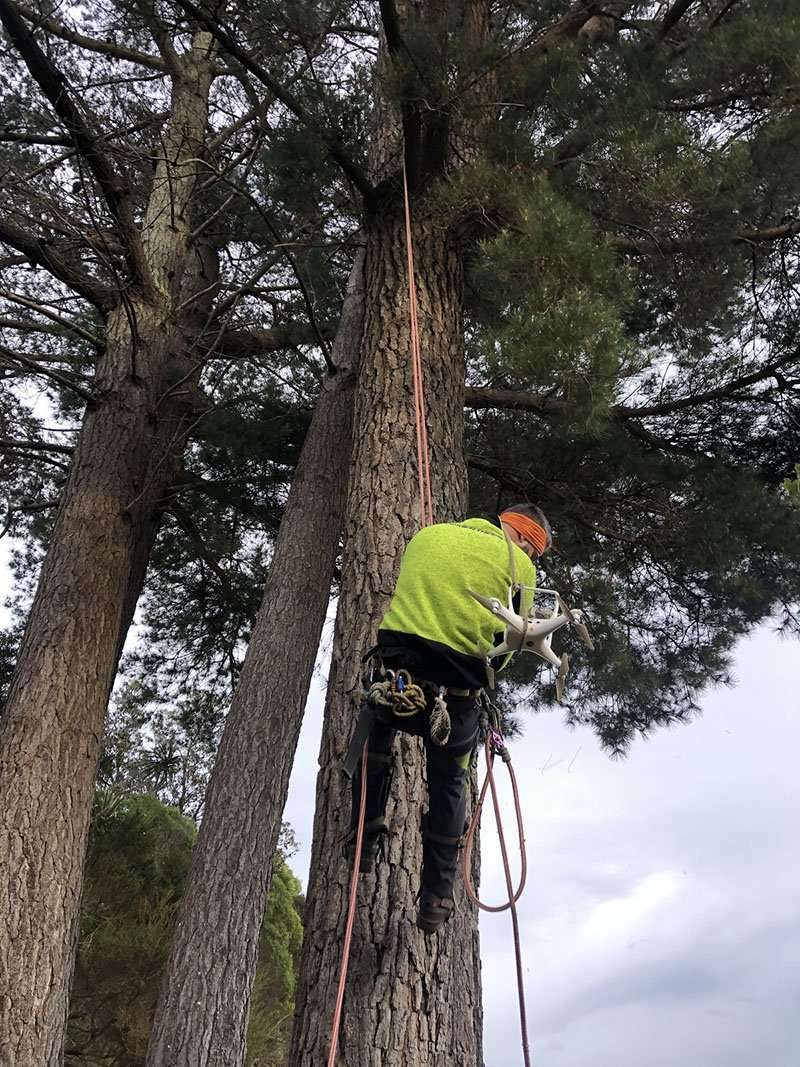
The job begins with an on-site inspection, from the ground and where needed from within the canopy. We look at the tree's structure, any existing defects, what sits beneath it, the access, and what you want to achieve. The work is then planned around the parts of the canopy that need to come down, with cuts made back to suitable growth points so each remaining branch keeps developing naturally.
Depending on the site we climb, use an elevated work platform, or rig and lower sections under control. In tight Wellington sections that controlled lowering is what protects fences, roofs, gardens and neighbouring areas. Once the pruning is complete the cut material is chipped and removed, unless you have asked us to leave mulch or firewood.
Crown reduction, crown thinning or removal?
Crown reduction and crown thinning are often confused. Reduction brings in the outer dimensions of the canopy. Thinning removes selected internal branches to improve light and airflow without changing the overall size. If a tree is too tall or wide for its space, reduction is the relevant service. If the problem is density, shade or wind movement through the canopy, thinning may be better. Often a combination gives the best outcome.
Many property owners assume tree removal is the only answer once a tree gets too big. In most cases a reduction lets you keep a valuable tree while cutting the risk. We assess the species, structural health, root stability, proximity to buildings and wind exposure before recommending either, and we will say so if the tree cannot be managed safely and replacement with a better-suited species is the sensible choice.
How much should a tree be reduced?
There is no single answer. The right amount depends on species, condition, previous pruning history and the reason for the work. A conservative reduction is healthier than a severe cutback. The goal is not to make a mature tree as small as possible, but to solve specific problems while keeping it viable and attractive. A tree that has been heavily pruned before needs a different approach from one with an untouched canopy, and a young tree may respond better to formative pruning than to reduction.
Check the rules before pruning a protected tree
Before arranging major pruning, check whether your tree is protected, notable or subject to local restrictions. Rules vary with the property, the tree and the council area. Wellington City Council publishes guidance on pruning and removing trees on private property, which is a good starting point. If you are unsure, ask before work begins.
What a good reduction gives you
- less end weight and canopy spread, so the tree moves less in wind
- better clearance from buildings, driveways and service areas
- more light into the property without losing the tree
- a balanced, natural shape rather than a hacked one
- a longer-term management plan instead of repeated emergency work.
A good crown reduction leaves the tree looking smaller, lighter and better suited to its space, while still looking like the same tree. Before work starts we talk through access, debris removal, timing and any effect on neighbours, because in Wellington's tighter residential areas clear planning is what makes the job smooth and safe. If a storm has already done damage, our storm damage tree services page explains how we make a tree safe first.
Crown reduction questions
Is a crown reduction the same as topping?
No. Topping removes large sections of the upper canopy with no regard for branch structure, leaves stubs and encourages weak regrowth. A crown reduction shortens selected limbs back to suitable growth points, so the tree keeps its natural shape.
Will a crown reduction harm my tree?
Not when it is done conservatively. Removing too much foliage reduces the tree's ability to produce energy, so we take only what solves the problem, and older or sensitive trees may be reduced in stages over more than one visit.
What is the difference between crown reduction and crown thinning?
Reduction brings in the outer height and spread of the canopy. Thinning removes selected internal branches to let more light and air through without changing the overall size. Often a combination of the two gives the best result.
Do I need council approval for a crown reduction?
Only if the tree is protected, notable or subject to local rules. The Wellington City Council guidance on trees on private property is the place to start, and we check before major pruning.
What happens to the branches we cut?
The cut material is chipped and taken away, unless you would like us to leave the mulch or firewood for you.
Crown Reductions Done Right
Let us help you with your crown reductions Wellington. With Premier Tree Surgeons, you are assured of professional services that balance aesthetics, health, safety, and environmental considerations. Trust us to keep your trees and landscapes looking their best all year round.
Our services
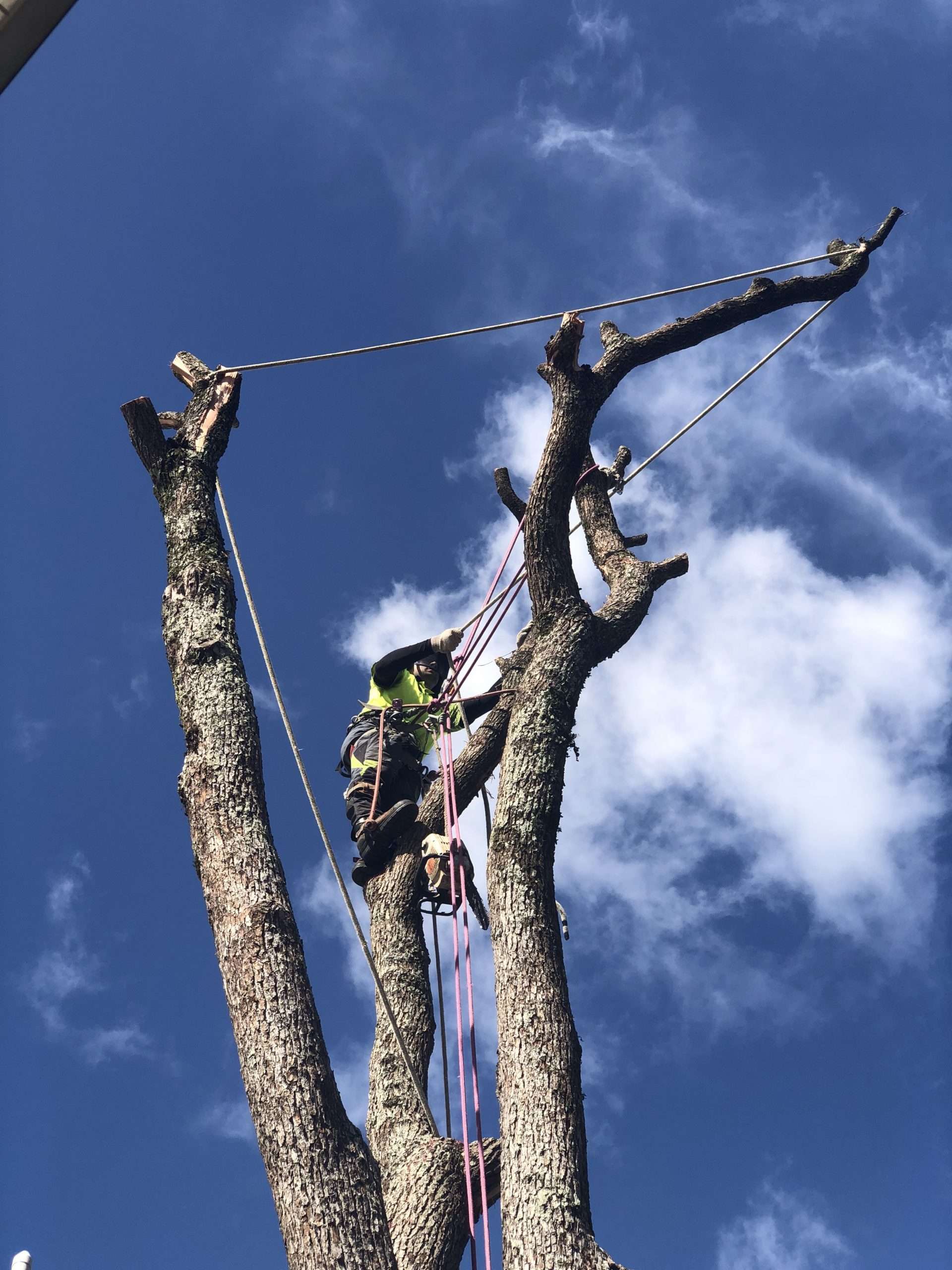
Tree Removal
We safely and efficiently remove trees that pose a risk to your property or inhibit growth in your landscape.Read more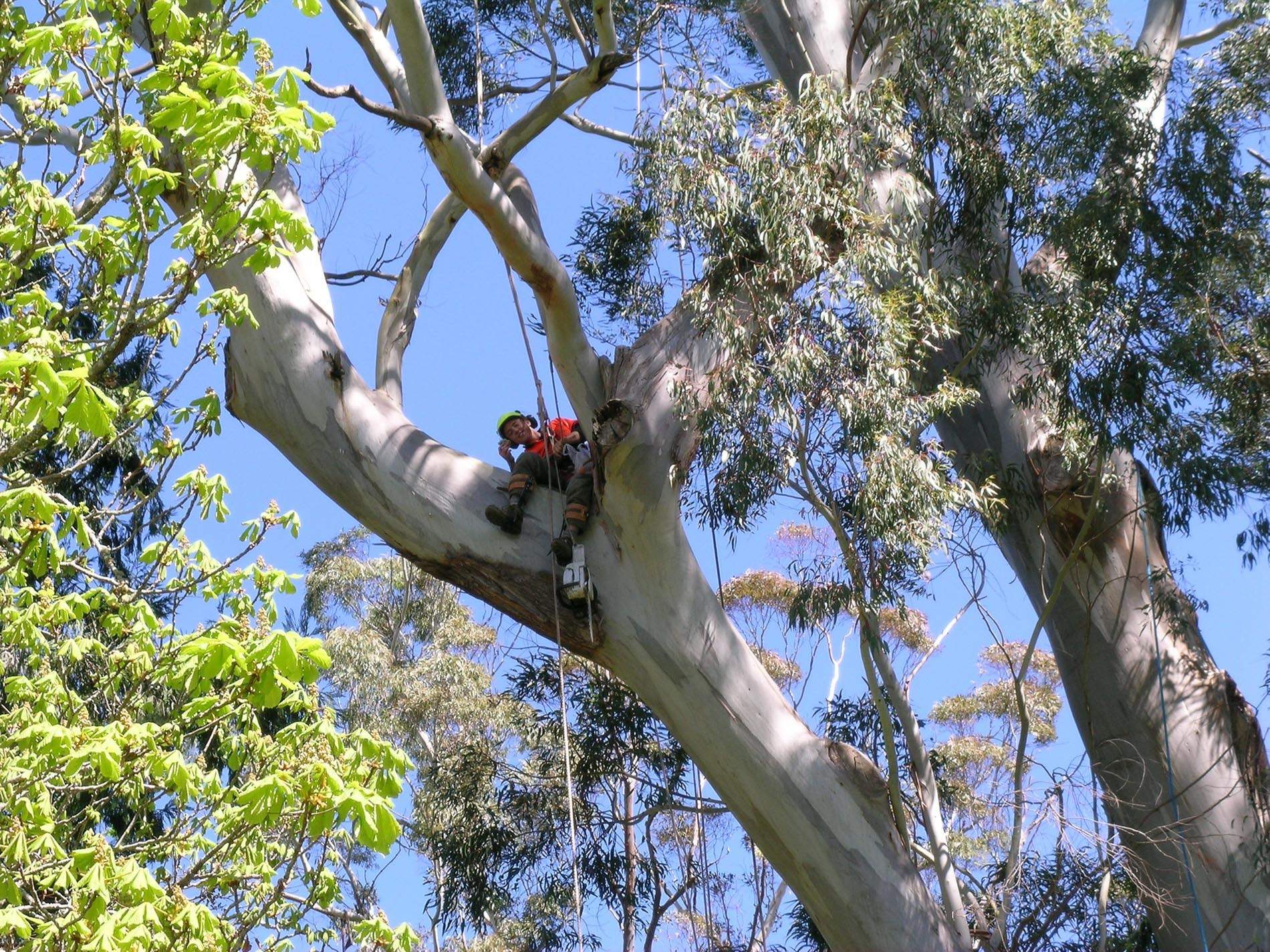
Tree Trimming
We trim and prune trees for health, safety, light and shape, and carry out crown reductions on trees that have outgrown their space.Read moreTree Pruning
We delicately prune and thin your trees to promote their health and growth.Read more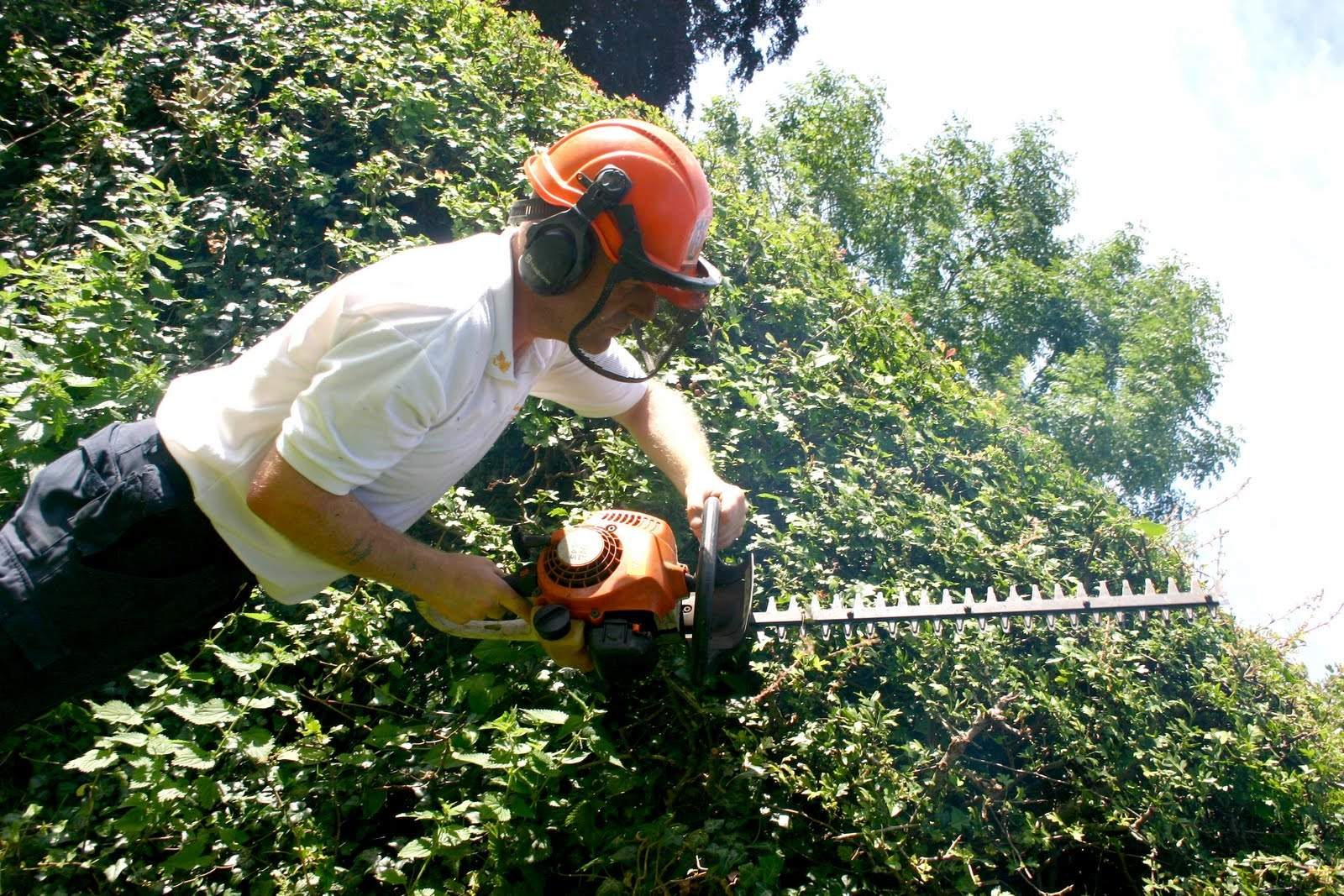
Hedge Trimming
We carefully trim your hedges to maintain their health and aesthetics.Read more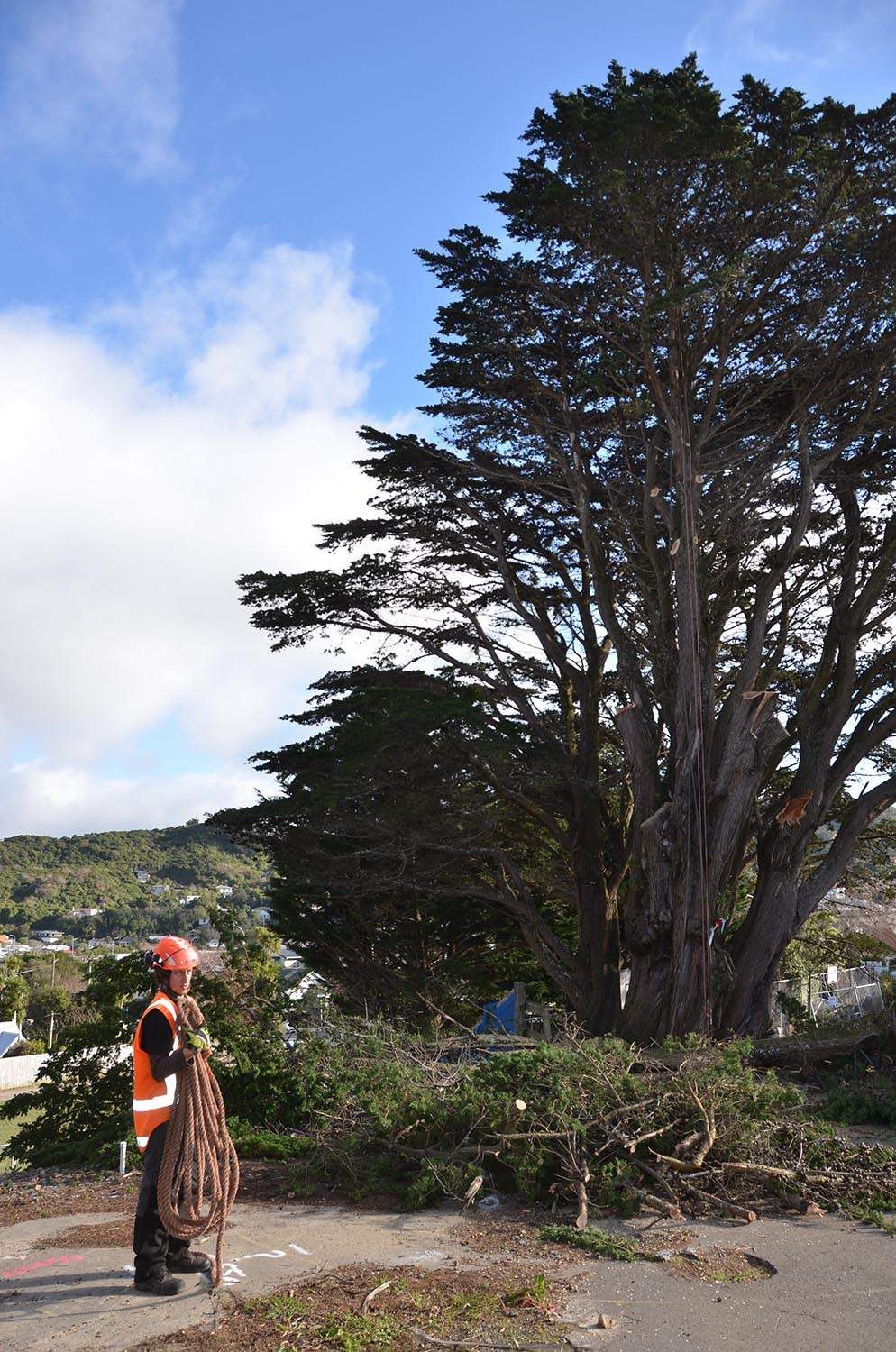
Emergency Tree Work
We respond quickly to tree emergencies and clear storm damaged trees to make your property safe again.Read more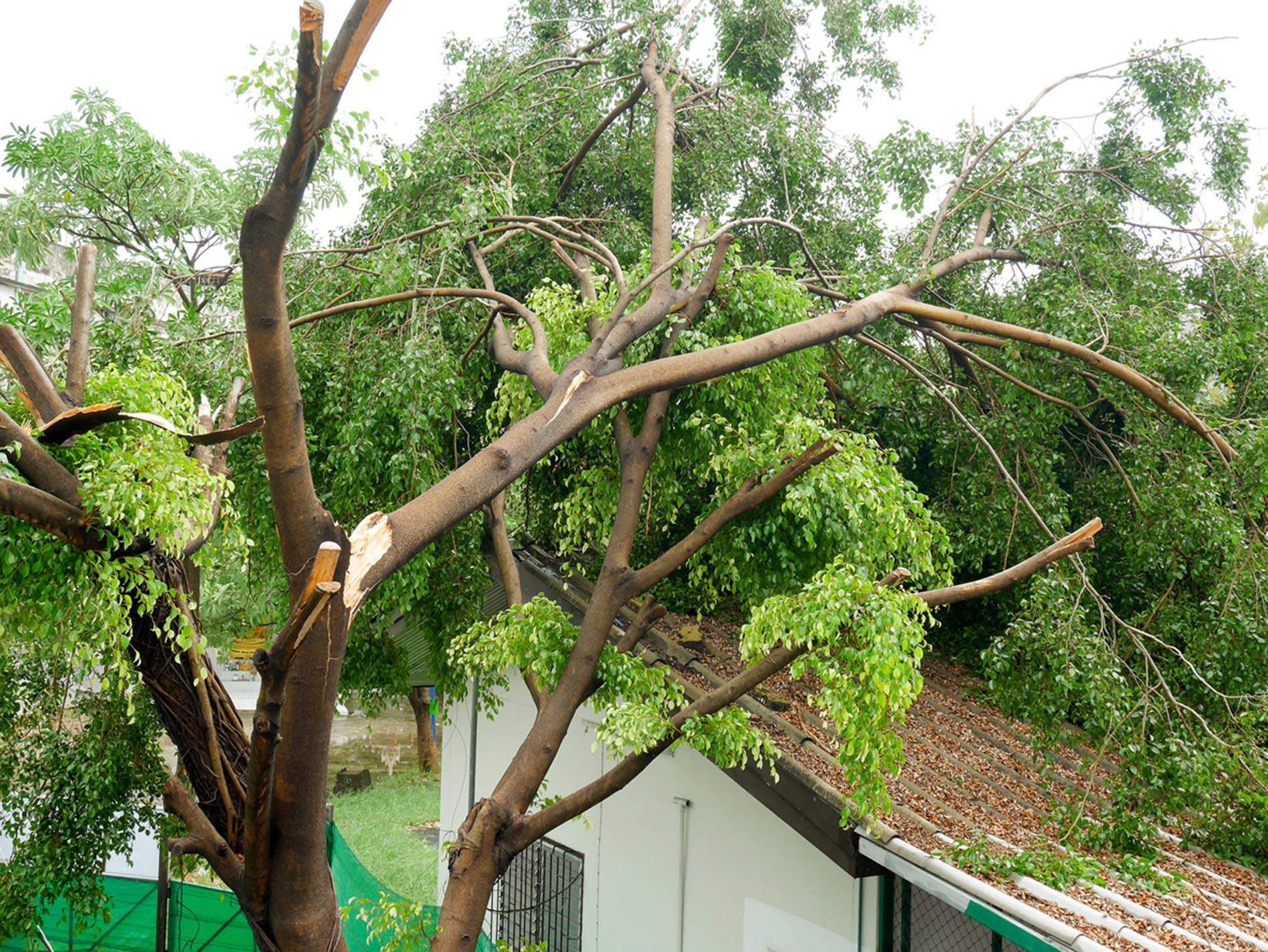
Storm Damage Tree Services
We're ready to respond swiftly and effectively to mitigate storm-related tree damage.Read more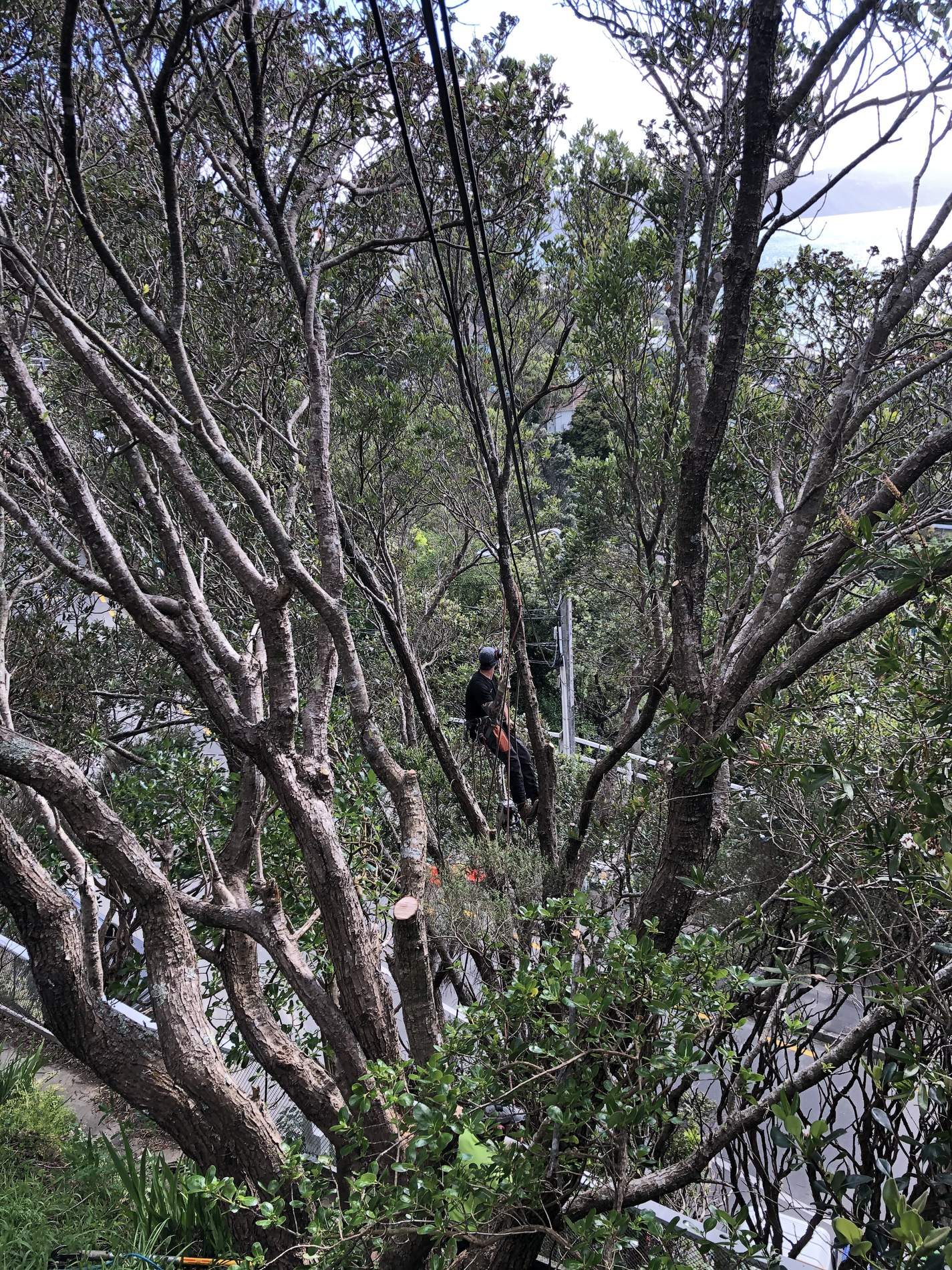
Tree Clearance for Fibre Installation
We assist in preparing your property for fibre installation, clearing trees and shrubs as necessary.Read moreArborist Services
Whether you need pruning, removals, or emergency storm work, we keep your trees safe, healthy, and looking their best.Read moreFree quotes
Contact us
Tell us roughly how tall the tree is, where it stands, what is underneath it and whether the job is urgent.
0275 499 100- Karori, Wellington
- brian@wellingtontrees.co.nz