
Blog
Emergency Tree Services in Wellington: What to Do When a Tree Becomes Dangerous
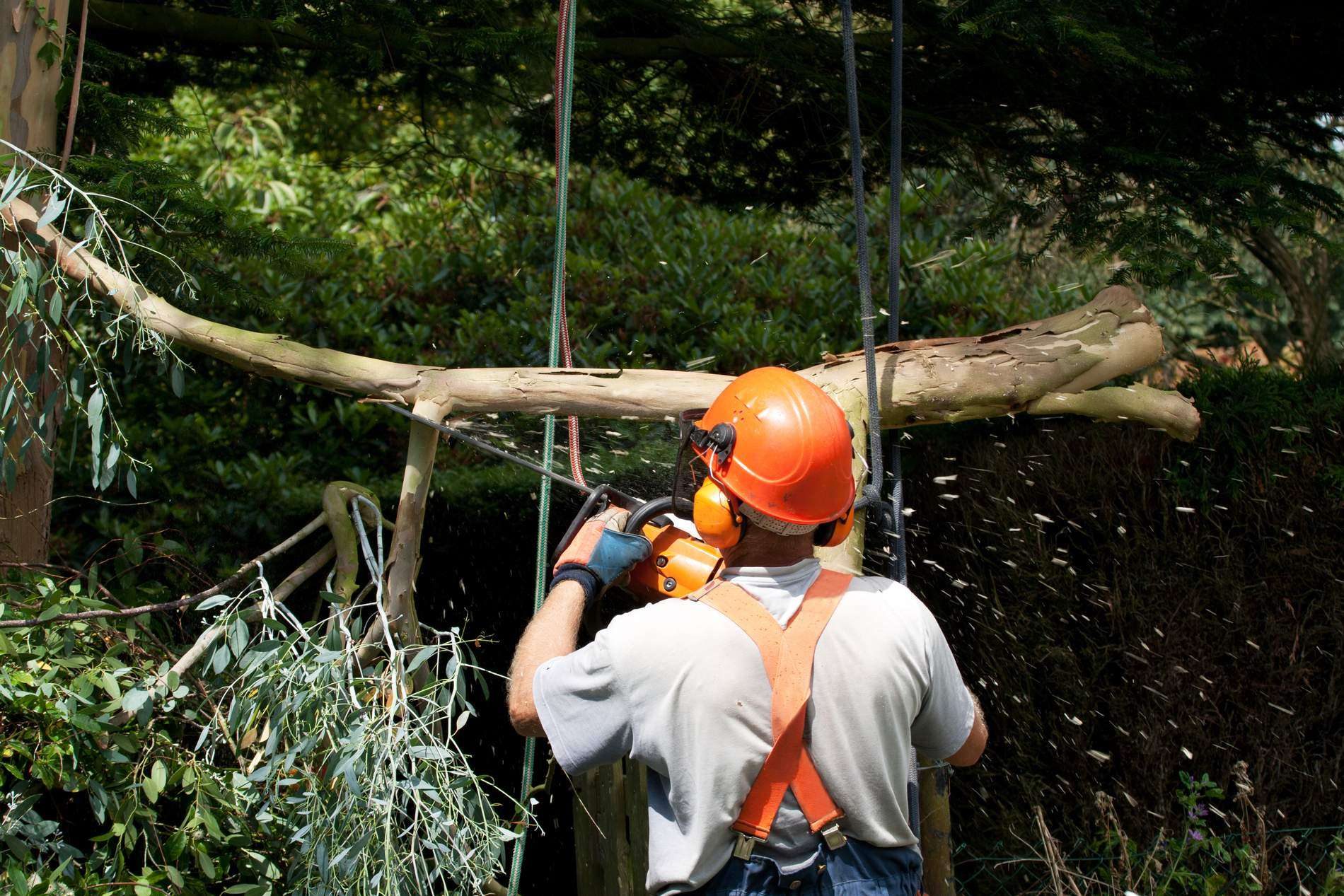
When a Tree Problem Becomes an Emergency
Wellington's weather can change quickly. Strong northerlies, southerlies, heavy rain and exposed hillsides can all place extra stress on trees. In many cases, a tree can bend and move naturally without causing trouble. However, there are times when storm damage, decay or sudden movement creates a genuine hazard that needs prompt attention.
An emergency tree situation is any scenario where a tree or branch may cause injury, block access, damage property or interfere with essential services. This can include a large limb hanging over a driveway, a tree leaning after heavy rain, branches resting on a roof, or a fallen tree blocking a section of road or entrance.
For Wellington homeowners, landlords, businesses and property managers, the key is to act carefully. Rushing in with a chainsaw or trying to pull a branch clear can make the situation more dangerous. Professional emergency tree services are designed to assess the risk, secure the area and remove the hazard using the right equipment and methods.
Common Causes of Emergency Tree Callouts in Wellington
Many urgent tree issues occur after severe weather, but storms are not the only cause. Trees can fail because of hidden decay, root disturbance, poor structure or long-term exposure to wind. In some parts of Wellington, steep sections and tight access can add further complexity.
Common reasons for emergency tree work include:
- Storm-damaged branches caught in the canopy or overhanging buildings
- Fallen trees blocking driveways, paths, car parks or entrances
- Sudden leaning or movement at the base of a tree
- Split trunks or large cracks appearing after wind or rain
- Branches making contact with roofs, fences, sheds or vehicles
- Trees affected by saturated soil or slipping ground
In Wellington, wind exposure is a major factor. A tree that has stood for years can still be affected by a change in its surroundings, such as nearby construction, removal of sheltering trees or altered drainage. A professional arborist can identify whether the problem is limited to a damaged branch or whether the whole tree has become unstable.
What to Do First if a Tree Falls or Looks Unsafe
Your first priority should always be safety. Keep people, pets and vehicles away from the area until the risk has been assessed. Even if a fallen branch looks stable, it may be under tension and can shift without warning. Damaged trees may also have broken limbs suspended above ground level, which are often difficult to see from below.
If a tree or branch has come down near power lines, do not approach it. Treat all lines as live and contact the relevant utility provider or emergency services. Trees in contact with electricity are extremely dangerous, especially during wet weather.
If it is safe to do so, take photos from a distance. These may help when speaking with your insurer or explaining the situation to a tree services team. Avoid cutting, pulling or climbing onto the tree. This is particularly important on sloping Wellington properties, where a trunk or limb may roll once disturbed.
Before calling for assistance, note the following details if you can do so safely:
- The location of the tree and the nearest safe access point
- Whether buildings, fences, vehicles or services are affected
- Whether the tree is still moving, leaning or making cracking sounds
- Any known access challenges, such as steps, steep paths or narrow driveways
This information helps the arborist understand the urgency of the job and the equipment likely to be required.
How Professional Emergency Tree Services Help
Emergency tree work is not simply about cutting timber. It begins with a risk assessment. A trained tree team will look at how the tree has failed, where the weight is sitting, what is under tension and what could move when cuts are made. This planning is what allows the work to be completed safely and efficiently.
Depending on the situation, emergency tree services may involve sectional dismantling, careful lowering of branches, clearing access ways, removing damaged limbs or stabilising a site before further work is completed. On tight Wellington sections, this often requires practical problem-solving, good communication and an understanding of how to work around homes, retaining walls, gardens and neighbouring properties.
In some cases, the immediate job is to make the area safe rather than complete a full tidy-up on the spot. For example, after a major storm, the first priority may be to remove danger from a roof, open access to a driveway or prevent a cracked limb from falling. Follow-up pruning, stump work or tree replacement advice can then be arranged once the urgent risk has been dealt with.
Storm Preparation: Reducing the Risk Before Damage Happens
Not every emergency can be prevented, but regular tree care can reduce the likelihood of major problems. Trees that are inspected and maintained are more likely to cope with high winds and wet ground. This is especially important for large trees close to homes, driveways, shared boundaries or public areas.
Warning signs to watch for include deadwood in the canopy, fungal growth near the base, cracks in the trunk, lifting soil, sudden leaning, or branches rubbing against the roof. If you notice these issues, it is worth arranging an inspection before the next spell of bad weather.
Pruning can help manage weight, remove dead or damaged limbs and improve clearance from buildings. In some cases, a tree may need more detailed assessment to determine whether it is suitable to retain. The aim is not to remove trees unnecessarily, but to manage risk in a practical way that suits the site.
Property owners can also stay informed during severe weather by checking official forecasts and warnings. The MetService weather warnings page is a useful place to monitor conditions when strong winds or heavy rain are expected.
Insurance, Access and After-Storm Clean-Up
After a tree emergency, it is common to think about insurance, clean-up and repairs. If property has been damaged, contact your insurer and follow their guidance. Photos, notes and professional invoices can help document what happened and what work was completed.
Access is another important consideration in Wellington. Many properties have steps, steep banks, narrow side paths or limited parking. When you contact a tree service, be clear about how the site can be reached. This helps the team plan the safest approach and bring suitable equipment.
Once the urgent hazard has been removed, there may still be branches, logs, leaf litter or stump material to deal with. Some property owners want the area cleared as much as possible, while others may choose to keep firewood or mulch material where suitable. Discussing this early helps set expectations for the clean-up.
When to Call Premier Trees
If a tree has fallen, shifted suddenly or is threatening your property, it is best to get professional advice rather than wait and hope it settles. Trees can change after wind and rain, and a damaged limb may become more dangerous over time.
Premier Trees provides tree services for Wellington properties, including urgent help when trees become hazardous. Whether you are dealing with storm damage, blocked access, a broken limb or concerns about a leaning tree, an experienced team can assess the situation and recommend the safest next step.
Emergency tree work calls for calm decision-making, suitable equipment and respect for the risks involved. By keeping clear of the hazard, gathering basic information and contacting a professional arborist, you can protect people, property and the surrounding landscape.
If you are concerned about a dangerous tree on your Wellington property, contact Premier Trees for prompt advice and practical support.
Related reading: what to do after sudden tree damage.
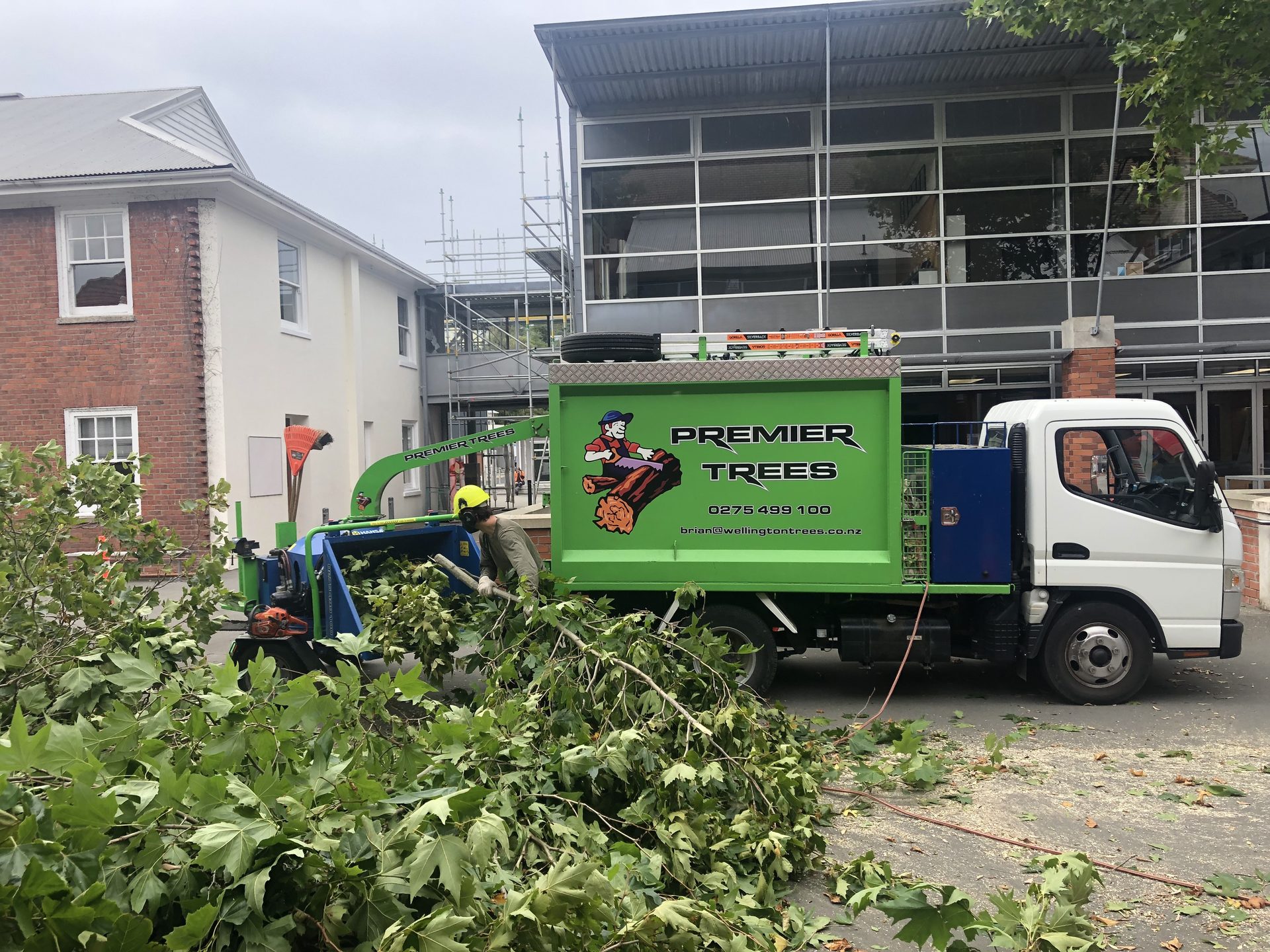
Reach out to Premier Trees today for a free, no-obligation quote.
Why risk your own safety when professional help is just a call away?
Free quotes
Contact us
Tell us roughly how tall the tree is, where it stands, what is underneath it and whether the job is urgent.
0275 499 100- Karori, Wellington
- brian@wellingtontrees.co.nz