
Wellington weather can change quickly. Strong southerlies, heavy rain, exposed ridgelines and saturated soils can all put pressure on trees, even those that looked healthy the day before. After a storm, it is common to find broken branches, leaning trunks, split stems or debris spread across a lawn, driveway or fence line.
While some storm damage is obvious, other problems are less easy to spot. A tree may still be standing but have cracked limbs, loosened roots or internal stress that makes it unsafe in the next round of wind. If you are dealing with storm damaged trees in Wellington, the safest approach is to pause, look carefully from a distance and avoid rushing into clean-up work before the risks are understood.
Start with Safety Before Clean-up
The first priority after any storm is safety. Do not stand under a damaged tree, tug on hanging branches or attempt to cut large limbs that are under tension. Storm damaged timber can move suddenly as weight shifts, especially when branches are caught in other parts of the canopy.
If a tree has fallen onto a building, vehicle, road, footpath, service line or boundary fence, keep people and pets away from the area. If power lines are involved, treat them as live and contact the relevant electricity provider or emergency services. Do not attempt to move branches near lines yourself.
Before going outside, it is also sensible to check the latest weather updates. Continued wind and rain can increase the risk of further movement in damaged trees. The MetService severe weather warnings page is a useful place to check current conditions and warnings for your area.
Common Signs of Storm Damage
After the weather has eased and it is safe to inspect from ground level, look for changes in the tree and the surrounding soil. Some signs are clear, while others can be subtle. A tree does not need to have fallen to be a concern.
- Large broken or hanging branches in the canopy
- A fresh lean that was not present before the storm
- Cracks or splits in the trunk or main stems
- Lifted soil, exposed roots or movement around the base
- Branches resting on roofs, gutters, fences or neighbouring trees
- Fresh cavities, torn bark or large wounds
- Debris caught high in the canopy
Take photos from a safe distance if you need to describe the problem to an arborist, insurer or property manager. Avoid climbing the tree or using a ladder to get a closer look. Storm damaged trees can be unstable in ways that are not visible from the ground.
When a Tree Needs Urgent Attention
Some tree damage can wait for a planned visit, but other situations should be treated as urgent. A tree or branch that could fall onto a house, driveway, public area or frequently used part of the property should be assessed as soon as practical. The same applies where a tree has shifted at the roots, split through the main trunk or become lodged against another tree.
Large hanging limbs are particularly dangerous. They may appear stuck, but even a light gust or movement from nearby branches can bring them down. This is often referred to as a hanging limb or widow-maker, and it is not a job for DIY removal.
If access is blocked, such as a fallen tree across a driveway, it can be tempting to start cutting straight away. However, fallen stems and branches may be compressed, twisted or under load. Cutting in the wrong place can cause the timber to spring, roll or drop. Professional equipment and experience make a significant difference in these situations.
What Can Usually Wait?
Not every broken branch is an emergency. Smaller branches that have fallen clear of buildings, services and accessways can often be cleaned up once conditions are safe. Minor canopy damage may also be suitable for later pruning, particularly if the tree is otherwise stable and not posing an immediate risk.
That said, it is still worth having damaged trees checked, especially if the tree is large, mature, close to the house or in a windy part of Wellington. Small wounds can sometimes lead to decay or future weakness if they are left unmanaged. Good pruning can help the tree recover by removing torn, jagged or poorly attached branches without making unnecessary cuts.
How an Arborist Assesses Storm Damaged Trees
A professional assessment looks at more than the broken branch you can see. An arborist will consider the tree species, overall structure, root plate, soil conditions, targets below the tree and the type of damage present. In Wellington, exposure to wind is also a key factor, because trees on ridgelines, slopes and coastal sites can experience very different conditions from sheltered gardens.
Depending on the situation, the recommended work may include removing broken limbs, reducing weight from damaged sections, clearing fallen material, pruning for balance or removing a tree that is no longer safe to retain. In some cases, a tree may be monitored after remedial pruning rather than removed immediately.
A careful assessment helps avoid two common mistakes - underestimating a hazardous tree or removing a tree that could have been retained with the right work. The aim is to manage risk while respecting the value that established trees bring to a property.
Reducing Future Storm Damage
No tree can be made storm-proof, but regular care can reduce avoidable problems. Trees with overcrowded canopies, weak branch unions, deadwood or poor weight distribution are more likely to shed limbs in high winds. Pruning at the right time and in the right way can improve structure and remove obvious hazards before bad weather arrives.
Homeowners can also help by keeping an eye on changes through the year. Look for cracks, fungal growth, lifting roots, dead branches and changes in lean. If a tree is close to the house, driveway or outdoor living area, routine inspections are a sensible part of property maintenance.
- Arrange pruning before winter if a tree has dead or crowded branches
- Keep gutters, roofs and accessways clear of overhanging weak limbs
- Avoid cutting major roots during landscaping or drainage work
- Ask for advice before heavily reducing or topping a tree
Heavy or incorrect pruning can make a tree more vulnerable over time. Topping, flush cuts and excessive canopy removal may create weak regrowth or larger wounds. A measured approach is usually better for both safety and tree health.
Why Local Knowledge Matters in Wellington
Wellington properties can present unique challenges. Many sections are steep, access can be tight, and trees may be growing close to buildings, retaining walls or neighbouring properties. Wind exposure also varies greatly between suburbs and even between different parts of the same street.
Local tree work often requires careful planning, suitable equipment and an understanding of how to work safely on confined or sloping sites. This is especially important after storms, when branches may be unstable and ground conditions may be wet or slippery.
Premier Trees works with homeowners and property managers dealing with storm affected trees across the Wellington region. Whether the issue is a fallen limb, a damaged canopy or a tree that has started to lean, getting advice early can help you make a clear, safe decision.
Need Help After a Storm?
If you have a storm damaged tree, keep clear of the affected area and avoid DIY work on large or unstable branches. Take photos from a safe position, note any hazards nearby, and contact a professional tree team for advice.
Prompt assessment can reduce the chance of further damage and help protect people, buildings and access around your property. After wild weather, a calm and careful response is the best way to deal with damaged trees in Wellington.
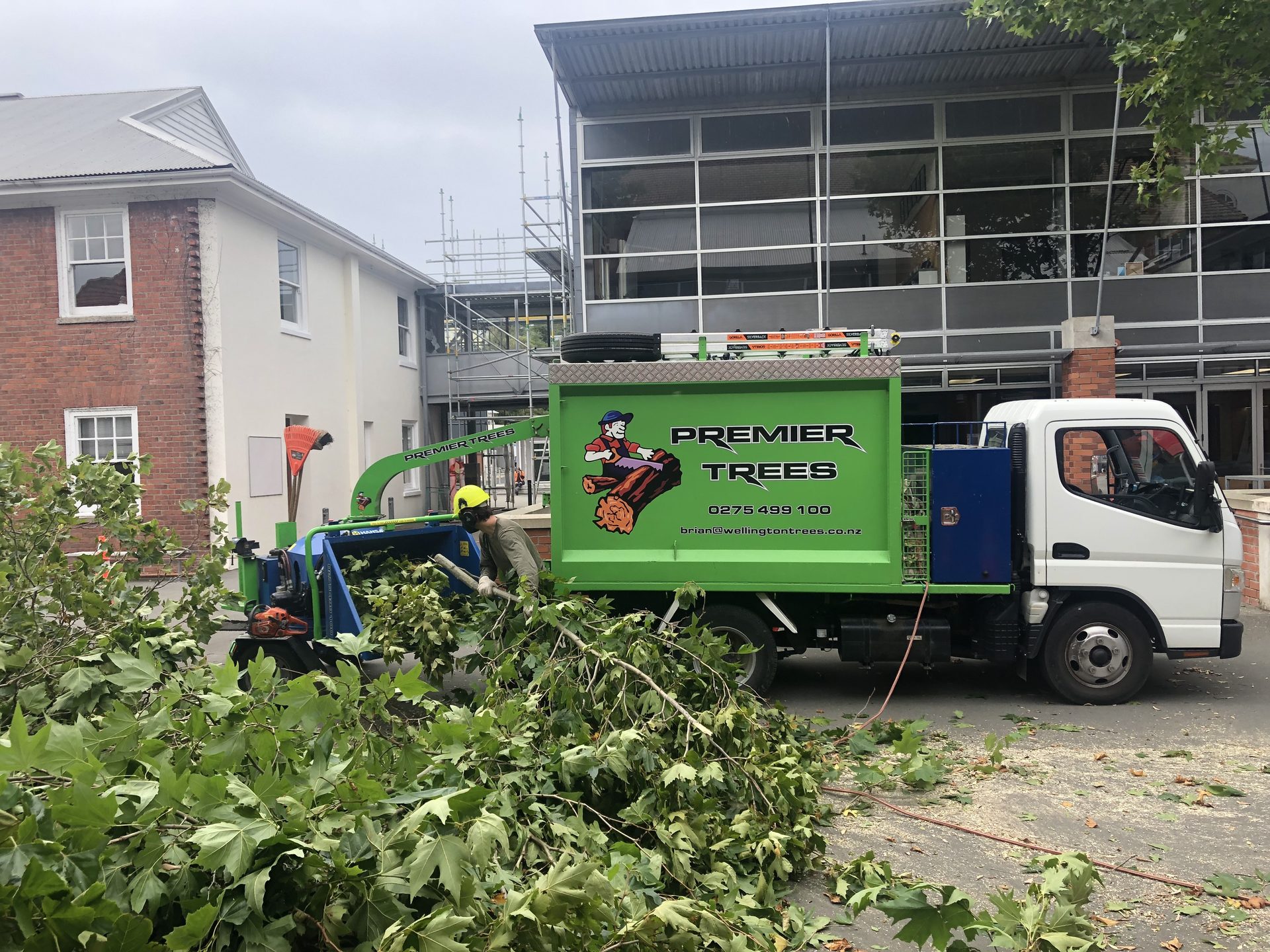
Reach out to Premier Trees today for a free, no-obligation quote.
Why risk your own safety when professional help is just a call away?
Free quotes
Contact us
Tell us roughly how tall the tree is, where it stands, what is underneath it and whether the job is urgent.
0275 499 100- Karori, Wellington
- brian@wellingtontrees.co.nz