
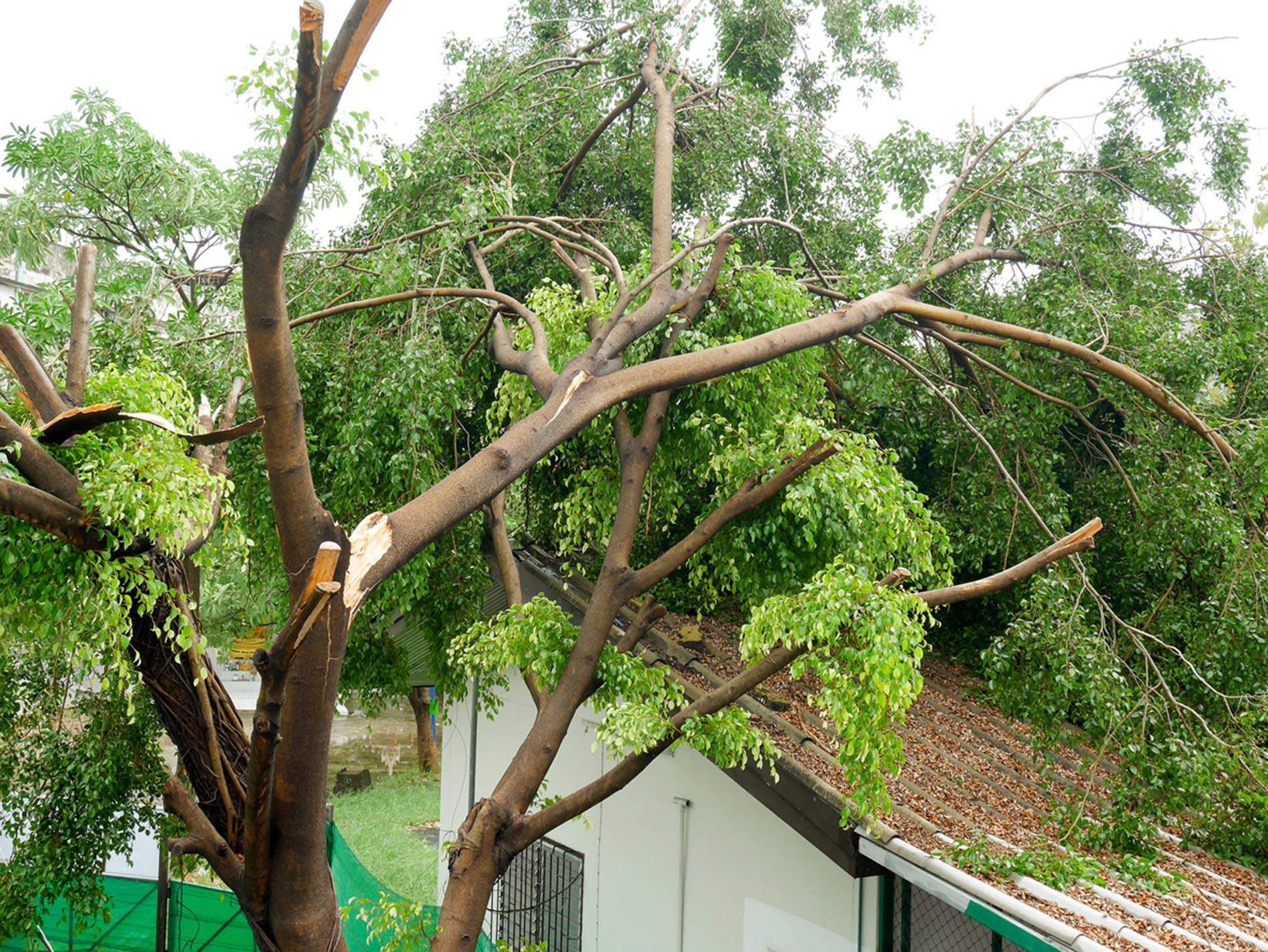
When you live in Wellington, garden trees are more than a pretty backdrop - they are part of your home's safety ecosystem. With gusts, storms and unpredictable weather hitting the region, failing to prepare trees can result in damage to your property, neighbouring homes or even personal injury. This guide outlines what homeowners should do to storm-proof their trees and protect their gardens.
Why tree risk is real in Wellington
Recent extreme weather events have shown the vulnerability of trees in our region. In one case, a strong windstorm saw trees coming down and major disruption across Wellington. Trees near houses, power lines and roads need special care - what seems like a stable tree today might fail in the next storm.
Assessing your trees: what to check
Here are key checks to perform:
- Health and structure: Look for large dead limbs, cracks, cavities, fungal growth or trunk lean. A damaged structural tree is much more likely to fail in high wind.
- Root stability: If the soil is wet, compacted or the root zone is constrained by paving or construction, the anchor is weaker. Uprooting becomes more likely.
- Canopy size and shape: A large, un-thinned canopy catches wind like a sail. Reducing canopy size and thinning heavy branches helps mitigate risk.
- Proximity to hazards: Trees close to your house, garage, driveway, neighbour's property or power lines are high-risk. When they fail, the consequences escalate.
- Species and placement: Native species may perform more robustly under Wellington's conditions, but placement is still key - avoid putting large canopy trees too near structures or exposed ridges.
Planning storm-proofing work
Start with an inspection (preferably by an arborist). Then:
- Remove deadwood and hanging branches.
- Thin or reduce crown to lower wind-load.
- Ensure the tree has adequate root space and healthy soil.
- Secure weaker trees or consider removal if the risk is too high.
- Before any forecasted major wind event, clear loose items, ensure tree clearance zones and plan escape routes for debris.
Recent news illustrates the stakes
For instance, one severe Wellington storm resulted in dozens of call-outs as trees fell and power lines were damaged. These real-world events highlight that being proactive with tree maintenance is not optional - it's essential.
How professional services help
Engaging a qualified arborist ensures safe inspection and work. Many homeowners mistakenly assume trimming is easy, but large trees require special equipment, permits and knowledge. Professional services include: structural inspection, hazard removal, canopy management, root-zone remediation and emergency call-outs after storms.
Long-term tree resilience
Storm-proofing isn't a one-off job. Trees grow, conditions change, root zones evolve and exposure increases. Schedule regular checks (every 1-3 years) especially for older trees or those in exposed positions. Also consider strategic planting of trees in safer locations and species suited to wind-exposed environments.
Final thought
A well-maintained tree adds beauty and value - a neglected one can become a liability. By actively storm-proofing your trees, you protect your home, your family and your neighbours.
Contact Premier Tree Surgeons Ltd today to arrange a professional tree inspection and make sure your trees are ready for Wellington's next big wind event.
Related reading: preparing trees for summer storms.
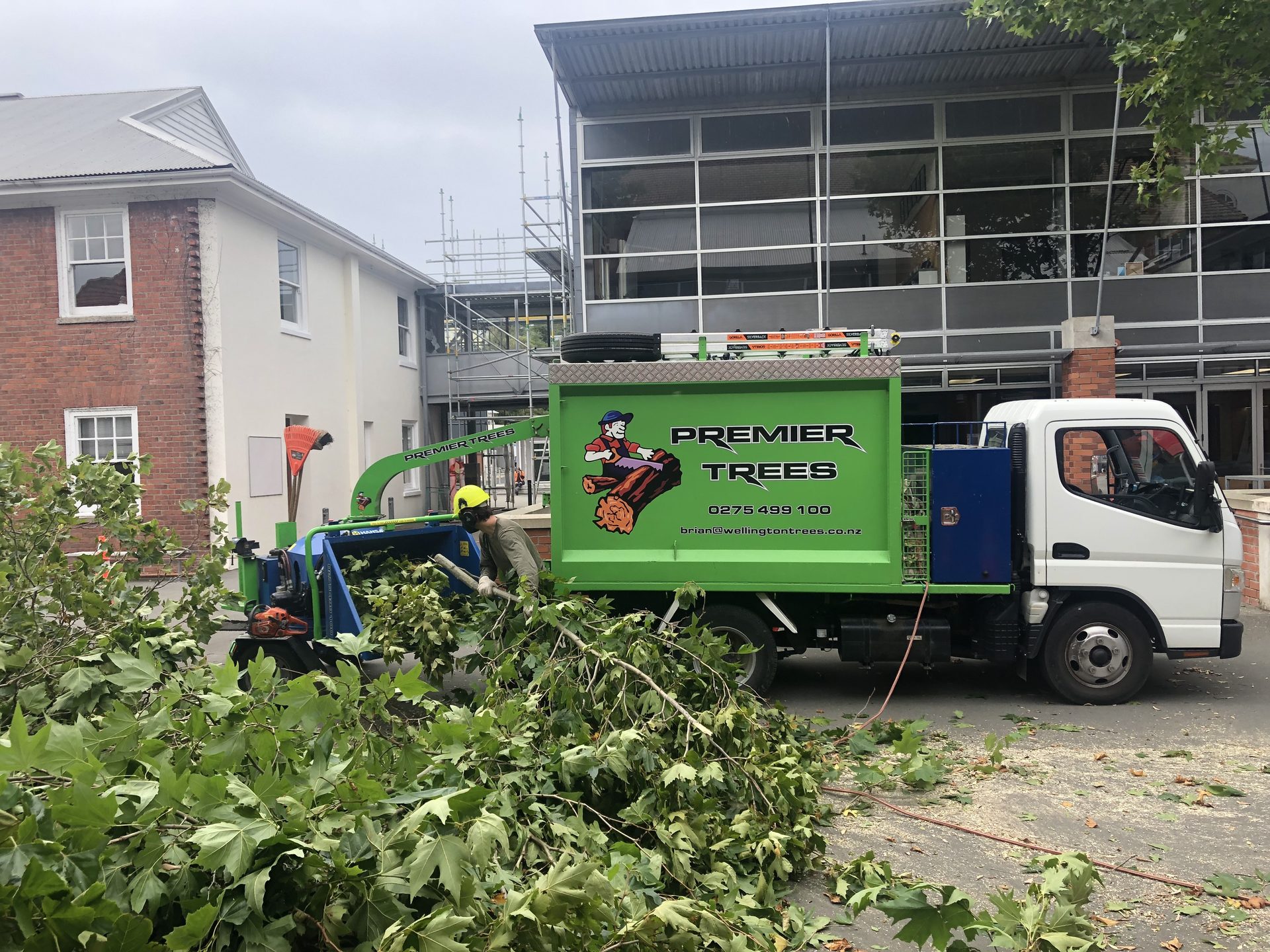
Reach out to Premier Trees today for a free, no-obligation quote.
Why risk your own safety when professional help is just a call away?
Free quotes
Contact us
Tell us roughly how tall the tree is, where it stands, what is underneath it and whether the job is urgent.
0275 499 100- Karori, Wellington
- brian@wellingtontrees.co.nz