
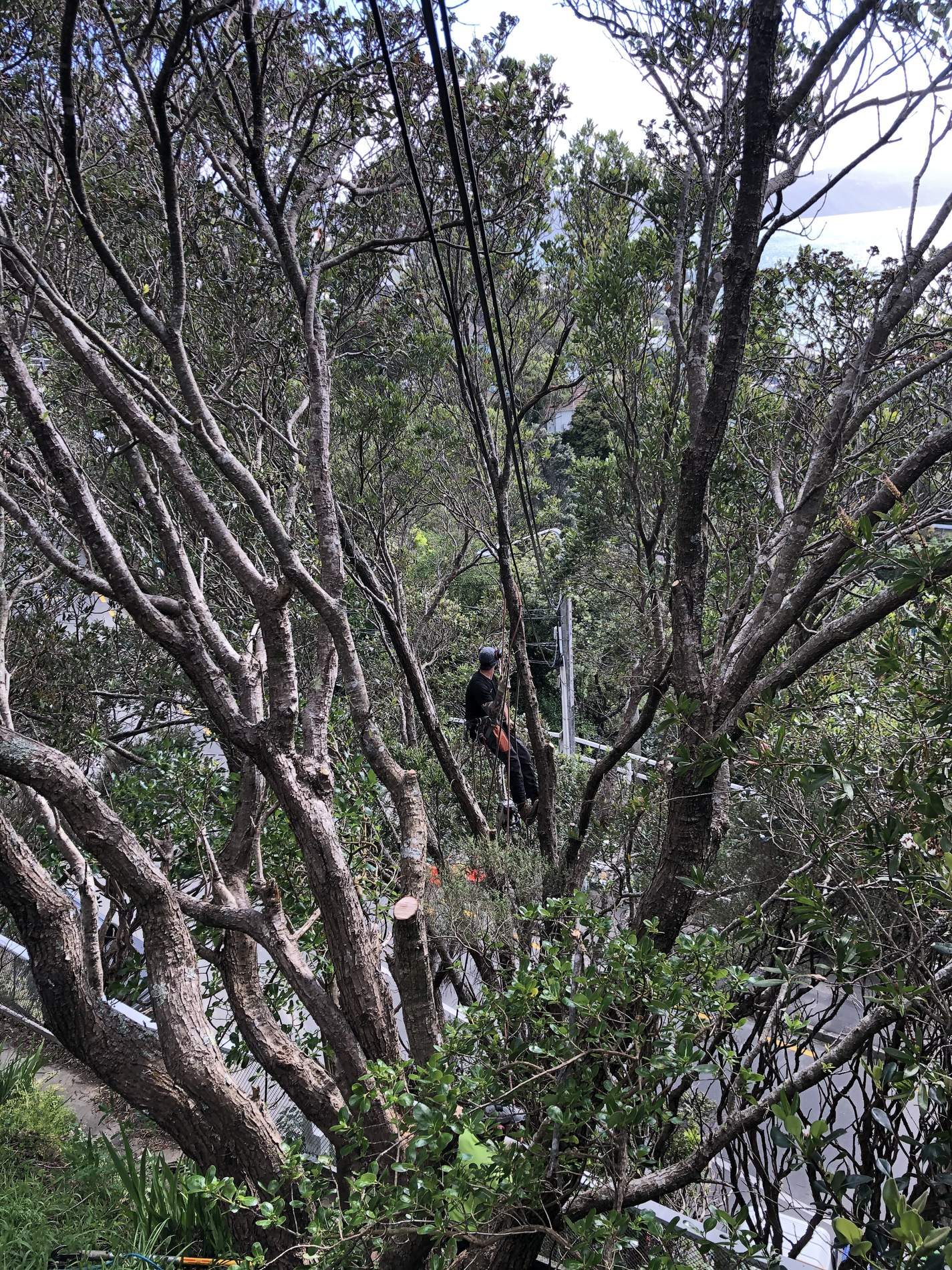
New Zealand summers bring longer days, higher temperatures and extended dry periods across many regions. Wellington homeowners often focus on wind and storms, yet summer fire risk deserves equal attention. Dry vegetation, stressed trees and hot conditions increase the chance of fire starting and spreading. Preparing trees for summer fire risk protects homes, neighbouring properties and surrounding landscapes. Early action also supports healthier trees that cope better with heat and drought.
Why Summer Fire Risk Matters in Wellington
Wellington experiences drying winds and warm temperatures during summer months. These conditions remove moisture from soil, leaves and bark. Trees under heat stress become drier and more flammable. Deadwood accumulates faster during dry weather and increases ignition risk. Fire can spread quickly through unmaintained canopies and unmanaged garden spaces. Homeowners who plan ahead reduce the likelihood of fire damage during extreme summer conditions.
How Trees Contribute to Fire Spread
Trees can unintentionally help fires spread when conditions allow. Dry leaves, bark and branches act as fuel during hot weather. Overgrown canopies allow flames to climb higher and travel faster. Low hanging branches can carry fire from the ground into tree crowns. Dense planting between trees and structures increases radiant heat exposure. These factors highlight why tree management plays a vital role in summer fire safety.
Signs Your Trees Increase Fire Risk
Several warning signs indicate higher fire risk around your property. Dead branches hanging within the canopy dry quickly and ignite easily. Thick leaf litter builds up beneath trees and traps heat. Trees planted close to buildings reduce clearance and increase exposure. Stressed trees show dry foliage and cracked bark during prolonged heat. These conditions often appear gradually and require active management before peak summer temperatures arrive.
Reducing Fire Risk Through Tree Maintenance
Tree maintenance is one of the most effective ways to reduce summer fire risk. Removing deadwood reduces available fuel during hot periods. Pruning lower branches increases separation between ground fuels and canopies. Thinning dense growth improves airflow and reduces heat retention. Clearing leaf litter from beneath trees prevents embers spreading. Each step lowers the chance of fire reaching critical structures or spreading rapidly.
Spacing and Planting Considerations
Spacing between trees matters during New Zealand summers. Trees planted too closely create continuous fuel pathways. Proper spacing reduces fire spread and radiant heat transfer. Selecting appropriate species also helps because some trees retain more moisture. Strategic planting away from structures improves overall safety. Planning ahead ensures gardens remain attractive while reducing seasonal fire risk.
Weather Patterns and Summer Conditions
Fire risk rises when dry weather follows warm and windy periods. Seasonal outlooks often warn of increased dryness during summer months. Recent updates highlight the need for vigilance during extended dry spells across lower North Island regions. You can monitor these patterns through reliable sources like the seasonal fire outlook reported by RNZ which highlights changing summer conditions. Staying informed allows homeowners to act before risks escalate.
Protecting Homes and Boundaries
Trees near houses require special attention during summer. Maintaining clearance between branches and roofs reduces ignition risk. Removing overhanging limbs limits ember contact during nearby fires. Keeping access clear around trunks supports emergency response if needed. Boundaries shared with neighbours also need coordination because unmanaged trees affect multiple properties. Thoughtful planning protects everyone involved.
Professional Support for Fire Risk Reduction
Professional arborists provide valuable guidance for summer fire preparation. They assess tree health, spacing and structural risk. Arborists safely remove deadwood and manage canopies correctly. They also advise on long term planting strategies suited to Wellington conditions. Professional input reduces guesswork and improves overall property safety. Early engagement avoids rushed decisions during peak summer heat.
Long Term Benefits of Fire Smart Tree Care
Fire conscious tree care supports long term tree health and resilience. Healthy trees retain moisture better and cope with heat stress. Reduced fuel loads also support easier maintenance throughout the year. Gardens remain safer and more enjoyable during summer months. Proactive care lowers insurance risks and protects property value. These benefits extend well beyond one season.
Final Thoughts
Summer fire risk is an important consideration for Wellington homeowners each year. Managing trees properly reduces hazards created by dry weather and heat. Early preparation supports safer homes and healthier landscapes. Contact Premier Tree Surgeons today to arrange a summer tree assessment and reduce fire risk before peak summer conditions arrive.
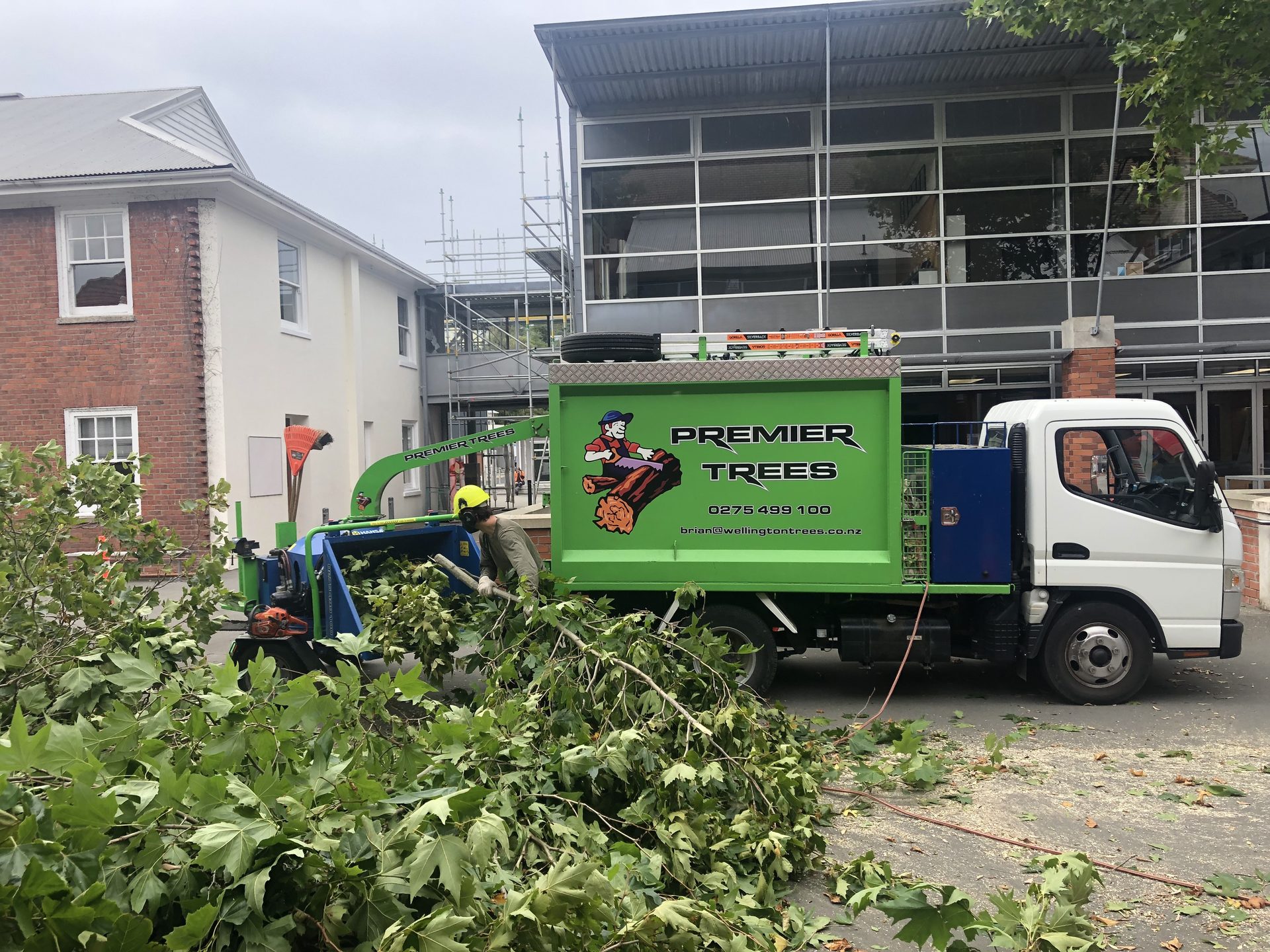
Reach out to Premier Trees today for a free, no-obligation quote.
Why risk your own safety when professional help is just a call away?
Free quotes
Contact us
Tell us roughly how tall the tree is, where it stands, what is underneath it and whether the job is urgent.
0275 499 100- Karori, Wellington
- brian@wellingtontrees.co.nz