Blog
Tree Risk Assessments in Wellington - Why Professional Tree Inspections Are Increasing in 2026
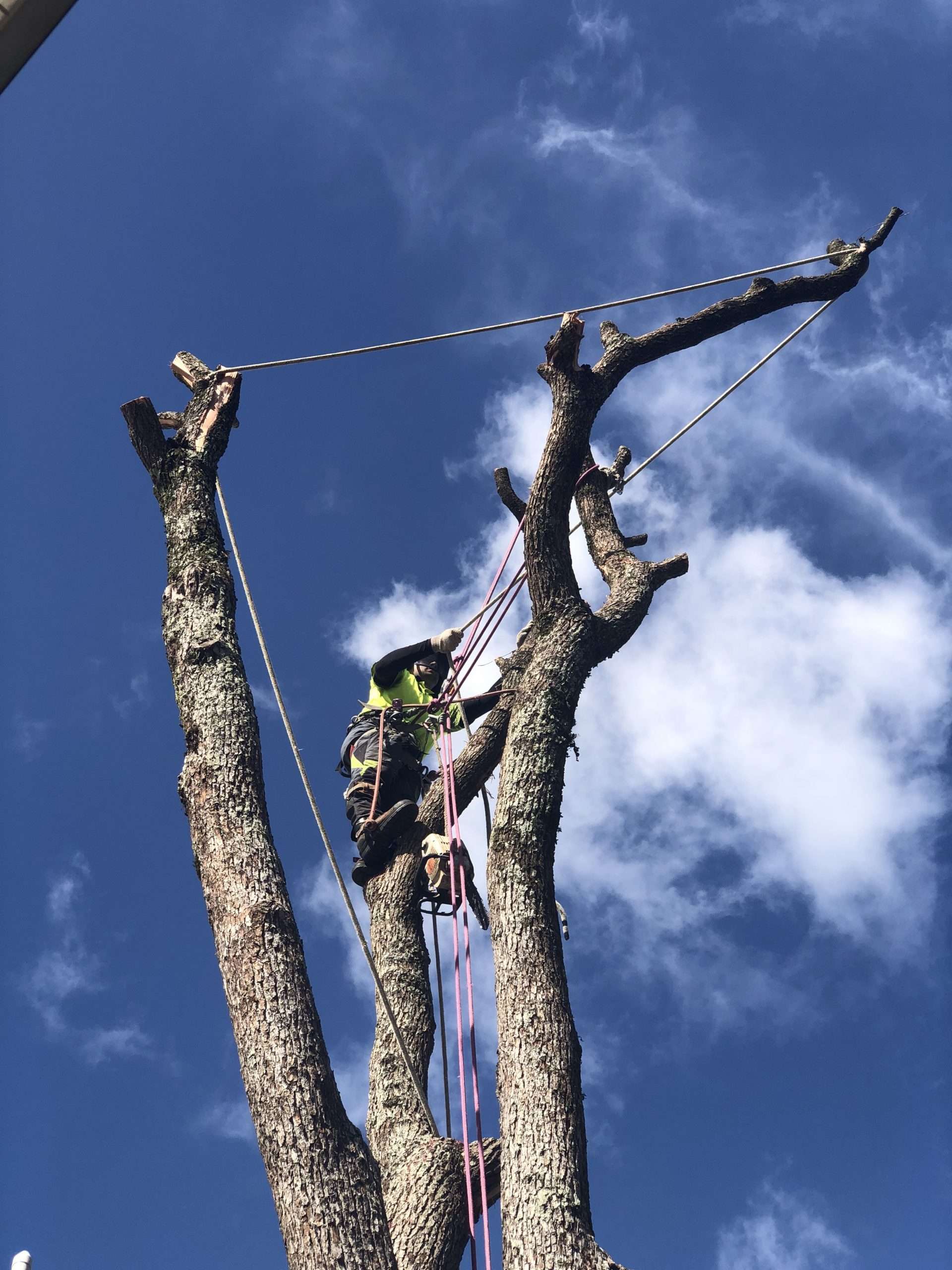
Across Wellington, more homeowners, property managers, and businesses are turning to professional arborists for tree risk assessments. With the region's strong winds, steep terrain, and mature tree canopy, identifying potential hazards before they become emergencies has become a growing priority.
In 2026, searches related to tree inspections, arborist assessments, and hazardous tree identification are trending upward. Property owners are increasingly aware that trees, while beautiful and valuable to the landscape, can pose serious risks if they become unstable, diseased, or structurally compromised.
A professional tree risk assessment in Wellington helps determine whether a tree is safe, needs maintenance, or should be removed to prevent future damage.
Why Tree Risk Assessments Are Becoming More Important
Wellington's unique environment makes tree safety particularly important. The region regularly experiences strong coastal winds, sudden weather changes, and heavy rainfall, all of which can place additional stress on trees.
Older trees or poorly maintained trees may develop hidden structural weaknesses over time. These weaknesses can lead to branches snapping unexpectedly or entire trees falling during storms.
Professional arborists use a combination of experience, inspection techniques, and specialised tools to assess a tree's stability and overall health. By identifying problems early, they can recommend the safest and most cost-effective course of action.
Tree risk assessments are particularly important for:
- Homes with large or mature trees close to buildings
- Rental properties and commercial sites
- Schools, parks, and public spaces
- Properties on steep hillsides
- Trees growing near power lines or roadways
Signs a Tree May Need a Professional Inspection
Many tree hazards develop gradually and may not be obvious to the untrained eye. However, there are several warning signs that indicate a tree should be inspected by a qualified arborist.
One of the most common indicators is visible decay or cavities in the trunk. This can weaken the structural integrity of the tree and make it more vulnerable to breaking or collapsing.
Another warning sign is large dead branches, particularly if they hang over driveways, roofs, or footpaths. These branches can fall without warning, especially during Wellington's frequent wind events.
Trees that are leaning more than usual or have recently shifted position may also require immediate inspection. While some trees naturally grow at an angle, sudden leaning often indicates root instability.
Other potential warning signs include:
- Cracked or splitting trunks
- Fungus or mushrooms growing at the base
- Exposed or damaged roots
- Branches dropping regularly
- Sudden thinning of foliage
If any of these issues are present, a professional arborist can evaluate the tree and recommend appropriate action.
How Arborists Conduct Tree Risk Assessments
A professional tree risk assessment in Wellington involves much more than simply looking at a tree from a distance. Arborists perform a detailed evaluation to understand the tree's health, structure, and surrounding environment.
The inspection usually begins with a visual assessment of the tree's overall structure, trunk condition, branch distribution, and canopy health.
Arborists then examine the root zone, which plays a crucial role in tree stability. Soil movement, root damage, or nearby construction can weaken the root system and increase the likelihood of failure.
In some cases, arborists may also use specialised equipment to detect internal decay or structural weaknesses that cannot be seen externally.
The assessment typically considers several key factors:
- Tree species and growth patterns
- Structural defects
- Signs of disease or decay
- Root stability
- Proximity to buildings or infrastructure
- Exposure to wind
Based on these findings, the arborist will determine the risk level of the tree and recommend appropriate management options.
Possible Outcomes of a Tree Risk Assessment
Not every inspection leads to tree removal. In many cases, trees can be preserved with the right maintenance.
Common recommendations include:
Tree Pruning or Crown Reduction
Selective pruning can remove dangerous branches while improving the tree's overall structure and balance.
Structural Support
For certain trees, arborists may recommend cabling or bracing systems to support weak branches or trunks.
Monitoring and Maintenance
Some trees simply require ongoing observation and periodic maintenance to ensure they remain safe.
Tree Removal
If a tree is severely compromised or poses an immediate safety risk, removal may be the safest option.
Professional arborists aim to preserve healthy trees whenever possible, only recommending removal when necessary.
The Role of Tree Assessments in Property Safety
Tree risk assessments are increasingly being used as part of responsible property maintenance planning.
Landlords, body corporates, and commercial property owners often schedule routine arborist inspections to reduce liability risks and ensure the safety of tenants, visitors, and neighbouring properties.
In some situations, insurance providers may also require documentation showing that trees have been properly inspected and maintained.
According to the New Zealand arboriculture guidelines and urban tree management practices outlined by organisations such as the New Zealand Arboricultural Association, regular tree assessments are considered an important part of responsible tree care.
Tree inspections are particularly valuable for properties with large mature trees, which can be significant landscape assets but require ongoing management to remain safe.
Protecting Wellington's Urban Tree Canopy
While safety is the primary goal of a tree risk assessment, these inspections also play an important role in protecting Wellington's urban tree canopy.
Healthy trees provide numerous benefits to the local environment. They help reduce erosion on Wellington's steep hillsides, provide habitat for native birds, improve air quality, and offer shade during warmer months.
Urban tree management strategies promoted by the Wellington City Council encourage property owners to maintain trees responsibly while preserving as many healthy trees as possible.
Professional arborists work within these guidelines to ensure that trees are managed safely while still contributing to the city's natural landscape.
When to Schedule a Tree Risk Assessment
There are several situations where a professional tree inspection is highly recommended.
A tree risk assessment should be considered:
- After major storms or high wind events
- When purchasing a property with mature trees
- Before building or landscaping work near trees
- If a tree shows visible signs of decline
- As part of regular property maintenance
Proactive inspections allow arborists to identify potential hazards before they become emergencies.
Professional Tree Services in Wellington
Tree risk assessments are becoming one of the most valuable services offered by modern arborists. Rather than waiting until a tree becomes dangerous, property owners are increasingly choosing preventative inspections.
Qualified arborists have the knowledge, training, and equipment to safely evaluate trees and recommend the most appropriate solutions.
For homeowners and property managers across Wellington, a professional tree risk assessment provides peace of mind, improved safety, and long-term tree health.
Regular inspections ensure that Wellington's trees remain both safe and beneficial to the landscape, protecting properties while preserving the natural beauty the region is known for.
Related reading: why regular tree inspections matter.
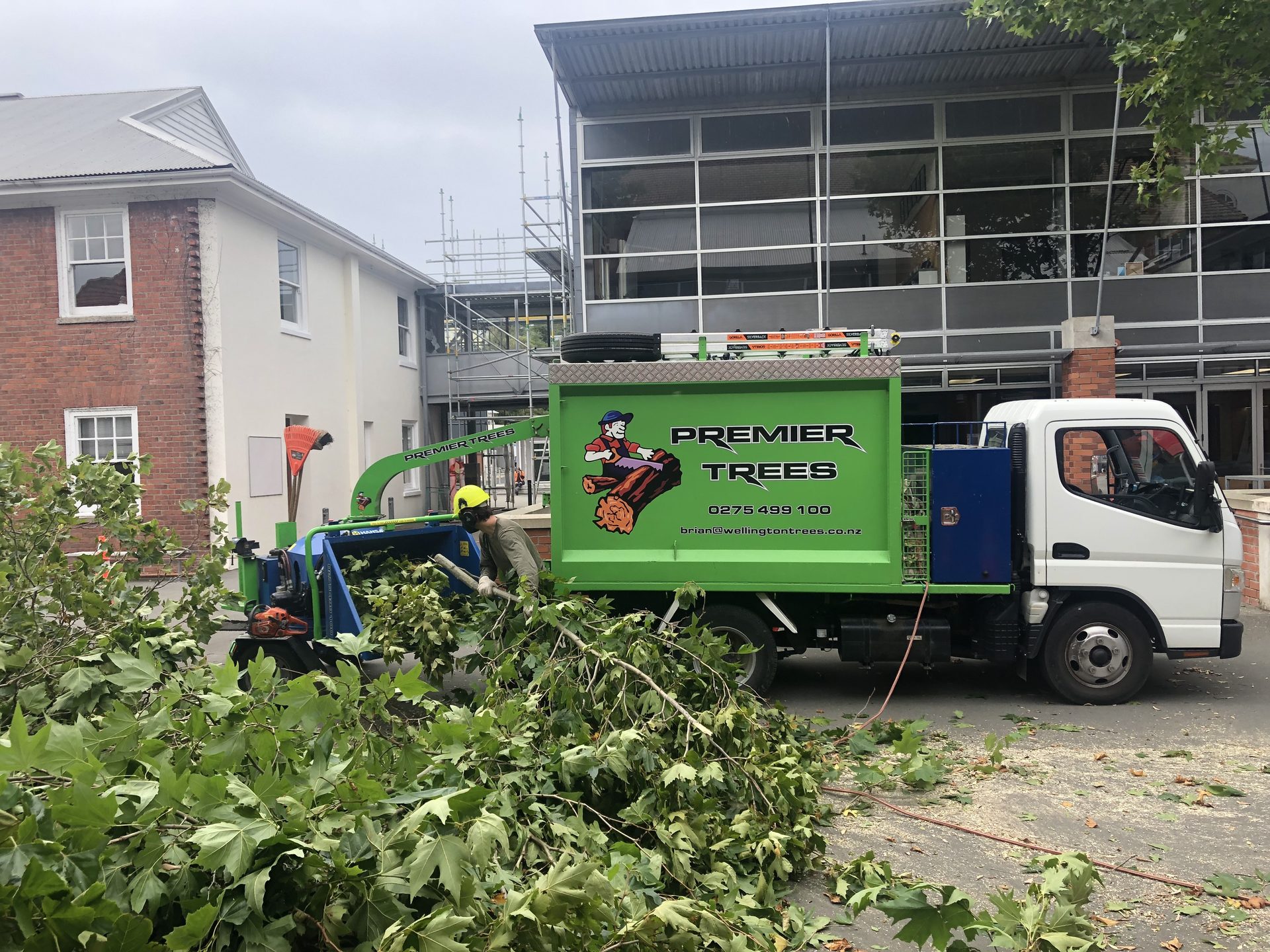
Reach out to Premier Trees today for a free, no-obligation quote.
Why risk your own safety when professional help is just a call away?
Free quotes
Contact us
Tell us roughly how tall the tree is, where it stands, what is underneath it and whether the job is urgent.
0275 499 100- Karori, Wellington
- brian@wellingtontrees.co.nz