Blog
Trees Trimmed in Wellington: Practical Advice for Safer, Healthier Properties
Why tree trimming matters in Wellington
Wellington is a beautiful place to live with mature gardens, established shelter belts, coastal planting and leafy suburbs. It is also a city known for wind, steep sections and changeable weather. Those conditions can place extra pressure on trees, especially when branches become heavy, unbalanced or too close to homes, paths, driveways and service lines.
Getting trees trimmed in Wellington is not just about making a garden look tidy. Well considered trimming can reduce the chance of branch failure, improve clearance, support healthy growth and help keep outdoor areas usable. The right approach depends on the species, age, condition and location of the tree, as well as your goals for the property.
For homeowners, landlords, property managers and businesses, the key is to plan tree work before it becomes urgent. A tree that is regularly assessed and maintained is usually easier to manage than one that has been left until it is touching the roof, blocking light or shedding branches in strong winds.
Common reasons to have trees trimmed
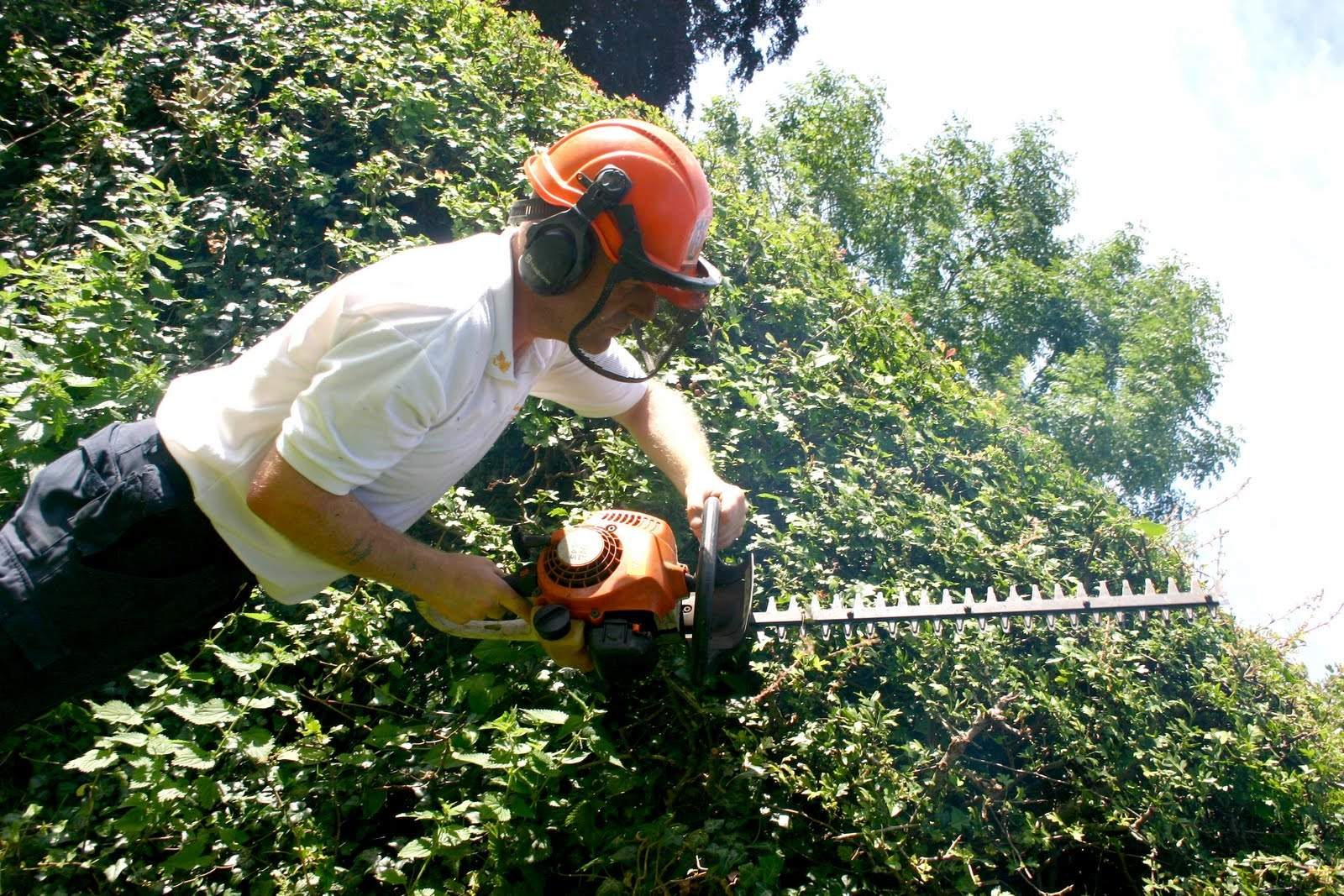
Tree trimming can involve a range of techniques, from light pruning through to more involved canopy work. In Wellington, common reasons for trimming include:
- Removing dead, damaged or weak branches
- Reducing overhang above roofs, garages, sheds or outdoor areas
- Improving clearance around paths, driveways and accessways
- Letting more natural light into a home or garden
- Managing growth near fences, neighbouring properties or shared boundaries
- Improving the tree's shape and balance
- Reducing wind sail where suitable for the species and situation
Not every tree needs heavy cutting. In many cases, selective pruning is more appropriate than removing large sections of canopy. A good result should leave the tree looking natural, stable and suitable for its setting.
Tree trimming is not the same as tree topping
One of the most important things to understand is the difference between professional trimming and harsh topping. Topping usually means cutting major limbs or the top of a tree back to stubs. While it can create an immediate reduction in height, it often leads to weak regrowth, poor structure and stress on the tree.
Professional tree trimming takes a more measured approach. Cuts are made with a purpose, taking into account branch structure, growth points and the long term health of the tree. Sometimes a tree can be reduced, reshaped or thinned, but the work should be done in a way that respects how the tree responds to pruning.
If a tree is simply too large for its location, ongoing hard cutting may not be the best long term answer. In those situations, it may be worth discussing whether staged pruning, crown reduction or removal and replacement planting is more suitable.
When is the best time to trim trees in Wellington?
The best timing depends on the tree species and the reason for the work. Some trees are best pruned in cooler months while they are less actively growing. Others may respond better at different times of year. Safety related trimming, such as removing a broken branch or clearing a hazard, should be addressed when needed rather than waiting for an ideal season.
Wellington's weather can also influence timing. After periods of high wind or heavy rain, it is sensible to check large trees for broken limbs, hanging branches or movement around the base. You do not need to climb the tree to inspect it - a visual check from the ground can often identify obvious concerns. If something looks unstable, keep people away from the area and arrange professional advice.
What to consider before trimming a tree
Before booking work, take a moment to think about what you want the trimming to achieve. Clear goals make it easier for an arborist or tree team to recommend the right solution. For example, do you want more sunlight into a living area, better access along a driveway, less debris on the roof, or improved safety during windy weather?
It is also worth considering the wider site. Wellington properties can have narrow access, terraced gardens, retaining walls and nearby buildings. These factors affect how branches can be lowered, how green waste can be removed and what equipment may be appropriate.
If a tree is on or near a boundary, communication with neighbours is helpful. Trimming overhanging branches can be a sensitive topic, especially if the tree provides privacy, shade or amenity. A professional assessment can help clarify what work is practical and suitable.
Protected and notable trees
Some trees may have special status or be subject to local rules. Before carrying out major work, it is wise to check whether the tree is protected or whether consent may be required. This is particularly important for established trees, trees in prominent locations or trees associated with development work.
Wellington property owners can refer to Wellington City Council information on protected trees for general guidance. If you are unsure, ask before cutting. Taking a little time to check can help avoid unnecessary problems.
Why use a professional for tree trimming?
Small garden pruning can often be handled by a careful homeowner, but larger trees are different. Working at height, using chainsaws, managing falling branches and operating near roofs or power lines can be dangerous without the right skills and equipment.
A professional tree service can assess the tree and the site before work begins. This includes looking at branch weight, decay, lean, access and nearby structures. The team can then plan the safest way to complete the job while aiming for a tidy, practical finish.
Professional trimming also helps avoid common mistakes, such as removing too much canopy at once, cutting branches in the wrong place or leaving heavy limbs unbalanced. Poor pruning can create future problems, so it is worth getting the work done properly.
Keeping your property tidy after trimming
Tree trimming can produce a surprising amount of material. Branches, leaves and logs need to be dealt with efficiently, especially on compact Wellington sections where there may be limited space. Before work starts, confirm what will happen with the green waste. Some property owners want suitable timber left on site, while others prefer everything removed.
A tidy finish matters. Paths, lawns, driveways and outdoor areas should be left usable once the work is complete. If access is difficult, discuss it early so the team can plan the job properly.
Signs your trees may need attention
You do not need to wait until a tree becomes a major concern. There are several signs that trimming or an inspection may be worthwhile:
- Branches are touching the roof, windows or exterior cladding
- Large dead limbs are visible in the canopy
- The tree has become noticeably one sided
- Branches are blocking driveways, paths or street visibility
- There is fresh cracking, splitting or hanging wood after wind
- The canopy is overly dense and holding a lot of wind
These signs do not always mean a tree is unsafe, but they do suggest it is time for a closer look. Early maintenance can often be simpler and less disruptive than emergency work after damage has occurred.
Book tree trimming with local conditions in mind
Trees are an asset to Wellington properties, providing shelter, privacy, character and habitat. With the right trimming, they can continue to add value and enjoyment while staying better suited to their surroundings.
Premier Trees understands the challenges of working across Wellington's varied terrain and weather exposed sites. Whether you need a single tree tidied, a canopy reduced, branches cleared from a roofline or general pruning across a property, a practical assessment is the best place to start.
If your trees are overgrown, storm affected or due for maintenance, arrange professional tree trimming before the next strong weather system tests them. A careful, well planned approach can make your property safer, neater and easier to manage throughout the year.
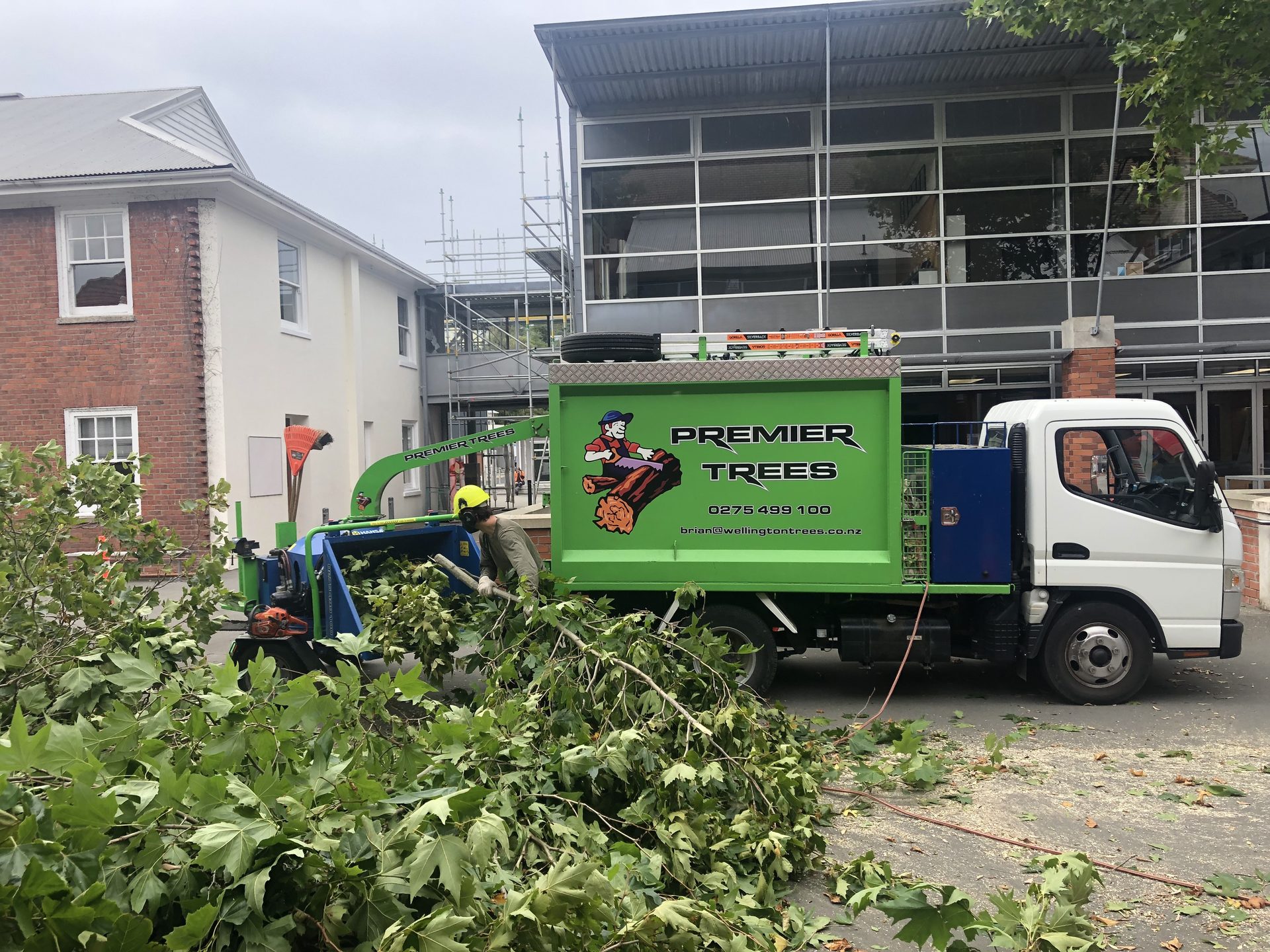
Reach out to Premier Trees today for a free, no-obligation quote.
Why risk your own safety when professional help is just a call away?
Free quotes
Contact us
Tell us roughly how tall the tree is, where it stands, what is underneath it and whether the job is urgent.
0275 499 100- Karori, Wellington
- brian@wellingtontrees.co.nz