
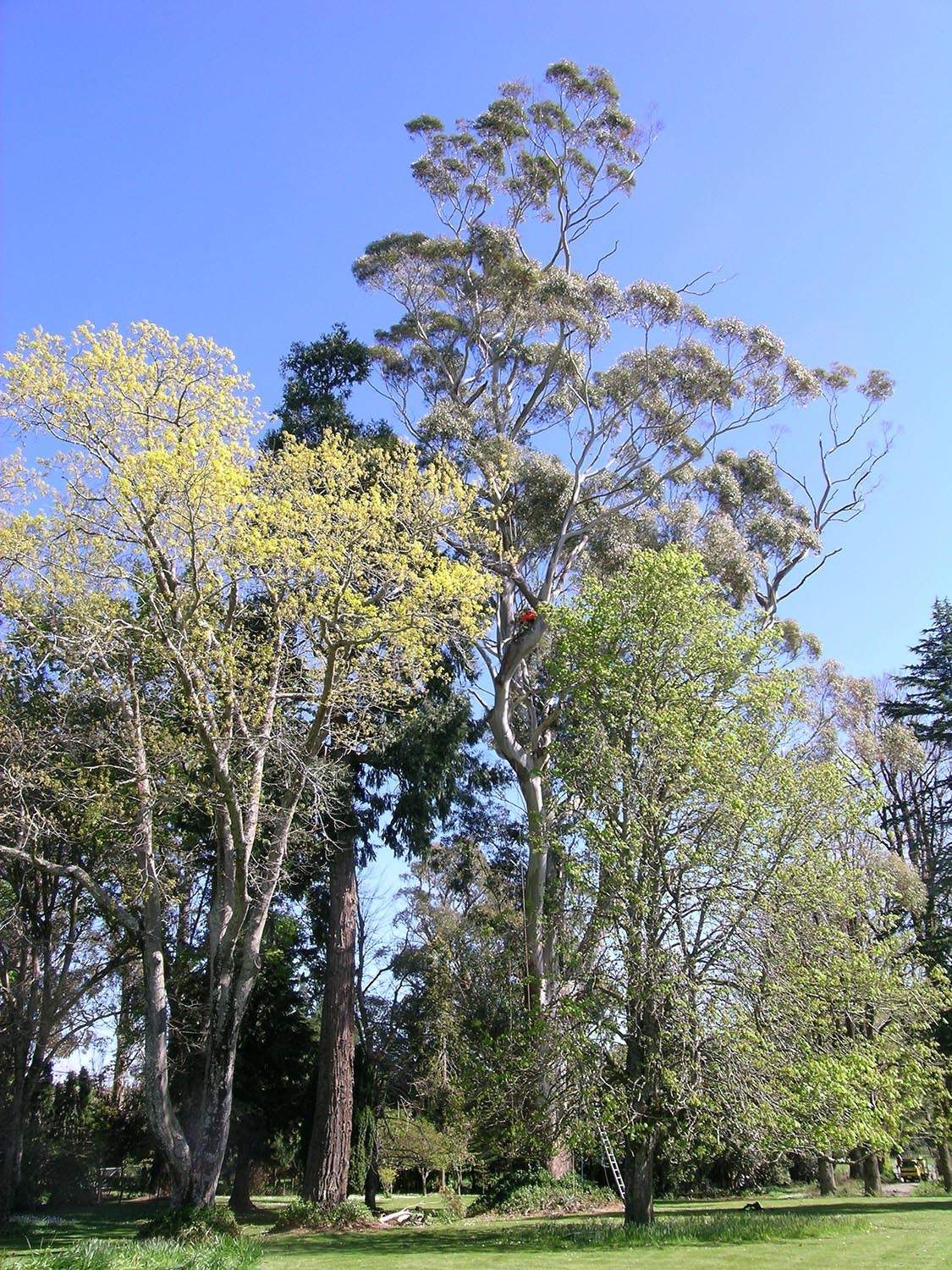
Caring for trees in Wellington during summer is essential because the region faces intense sun, strong winds and long dry spells. These conditions strain both native and exotic trees and can cause long term health problems that affect safety, stability and growth. As temperatures rise and rainfall becomes inconsistent, homeowners must act early to protect their trees from heat stress. With the right planning and consistent care, you can maintain healthy trees that cope well with Wellington's harsh summer climate.
Understanding Summer Heat Stress in Wellington
Wellington's climate features strong UV exposure, dry winds and sudden heat spikes. These conditions challenge trees by increasing water loss through leaves and placing pressure on root systems that struggle to stay hydrated. Early signs of stress include leaf wilt, brown tips, canopy thinning and premature leaf drop. Some trees show bark cracking or stem scorch where the sun hits the trunk for long periods. Summer heat stress affects all trees, but younger trees are more vulnerable because their root systems remain shallow and undeveloped. Natives handle wind better, but they still suffer during prolonged heat.
Identifying Heat Stress in Garden Trees
Heat stress reveals itself in several ways and each sign should prompt action. Leaves may look limp by early afternoon, and some may curl or fade in colour. Canopies can thin because stressed trees shed foliage to reduce water loss. Soil may dry faster than expected due to coastal winds and full sun exposure. Exposed roots can dry out and lose strength, which affects stability. Cracks may appear in bark on younger trees during hot days. These early symptoms allow quick intervention and help prevent long term decline that becomes costly to address.
Watering Tips for Dry Wellington Summers
Wellington's dry spells require smart watering that focuses on deep root hydration. Water slowly and deeply near the dripline because this is where most feeder roots sit. Early morning watering is best because the soil absorbs moisture before heat builds. Avoid short surface watering because it encourages shallow roots that fail in wind. Trees need fewer waterings, but each session should be longer and more targeted. Soil moisture should stay even because sudden dry periods followed by heavy watering can shock stressed trees. Use hose slow flow settings to avoid runoff on sloped Wellington sections.
Mulching and Soil Health Management
Mulch helps trees survive dry and windy summers by keeping moisture around root zones. Apply mulch in a wide circle but keep it away from the trunk. Organic mulch improves soil as it breaks down because it boosts structure and microbial activity. Soil health is vital in Wellington where wind exposure dries the ground quickly. Healthy soil helps roots absorb water faster and retain strength during storms. Mulch also regulates temperature by keeping the soil cooler on hot days. A thick layer helps suppress weeds that steal moisture from stressed trees.
Shade and Protection for Young Trees
Young trees struggle most during Wellington's summer because they lack deep roots. Temporary shade helps protect leaves and bark from sun scald. Use breathable shade cloth or natural shading structures placed to block harsh afternoon sun. Wind protection is also important because dry northerlies strip moisture from leaves. Staking helps stabilise young trees but avoid tight staking because movement strengthens trunks over time. When planting new trees, choose sheltered spots with afternoon shade or partial cover. Good planning reduces heat stress and improves long term survival.
Pruning in the Summer Heat
Pruning during summer requires careful planning because wrong cuts can stress trees further. Avoid heavy pruning because large open wounds lose moisture quickly. Light pruning can help remove damaged branches or reduce small hazards, but major reductions should wait for cooler seasons. Pruning stressed trees can trigger dieback because the tree focuses energy on survival, not repair. Seek advice before pruning young or vulnerable trees during summer because they struggle to recover under high heat and strong winds.
Pests and Diseases in Hot Conditions
Pests thrive in hot weather and stressed trees attract more insects. Summer heat increases sap flow which draws aphids and scale. Fungal issues appear when humidity rises after rain because weakened leaves absorb spores more easily. Monitoring trees helps detect early signs of infestation before damage spreads. Wellington's coastal climate supports rapid pest movement so regular checks are wise. Healthy trees resist pests better, which makes summer care essential.
Weather Awareness and Local Conditions
Wellington's summer outlook often includes reports of dry spells and heatwaves, so staying informed is important. Recent forecasts highlight increasing heat risk across the region, with stronger winds and longer dry periods becoming more common. You can track these updates through local news including recent summaries on RNZ which cover Wellington's summer weather patterns. Check mid season updates through sources like the summer outlook on RNZ which provides useful background for planning tree care.
Final Thoughts
Caring for your trees throughout summer protects your home, your garden and your long term landscape value. Early action prevents major problems that appear after extended heat or dry periods. Professional support ensures each tree gets care suited to Wellington's unique climate. Contact Premier Tree Surgeons Ltd today to book your summer tree inspection and keep your trees healthy, stable and ready for the season ahead.
Related reading: Wellington native trees for greener gardens, and reducing summer tree fire risk.
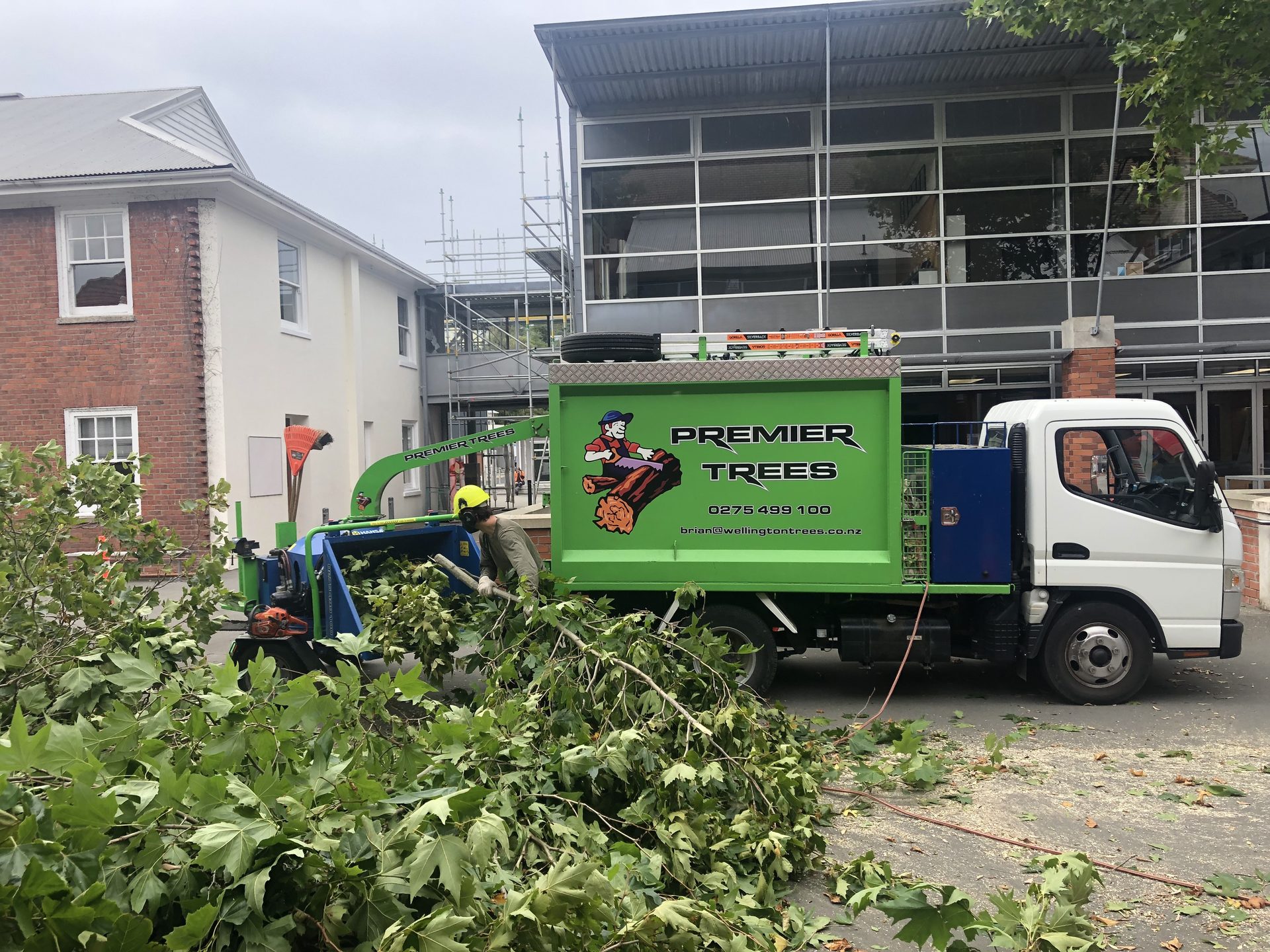
Reach out to Premier Trees today for a free, no-obligation quote.
Why risk your own safety when professional help is just a call away?
Free quotes
Contact us
Tell us roughly how tall the tree is, where it stands, what is underneath it and whether the job is urgent.
0275 499 100- Karori, Wellington
- brian@wellingtontrees.co.nz